


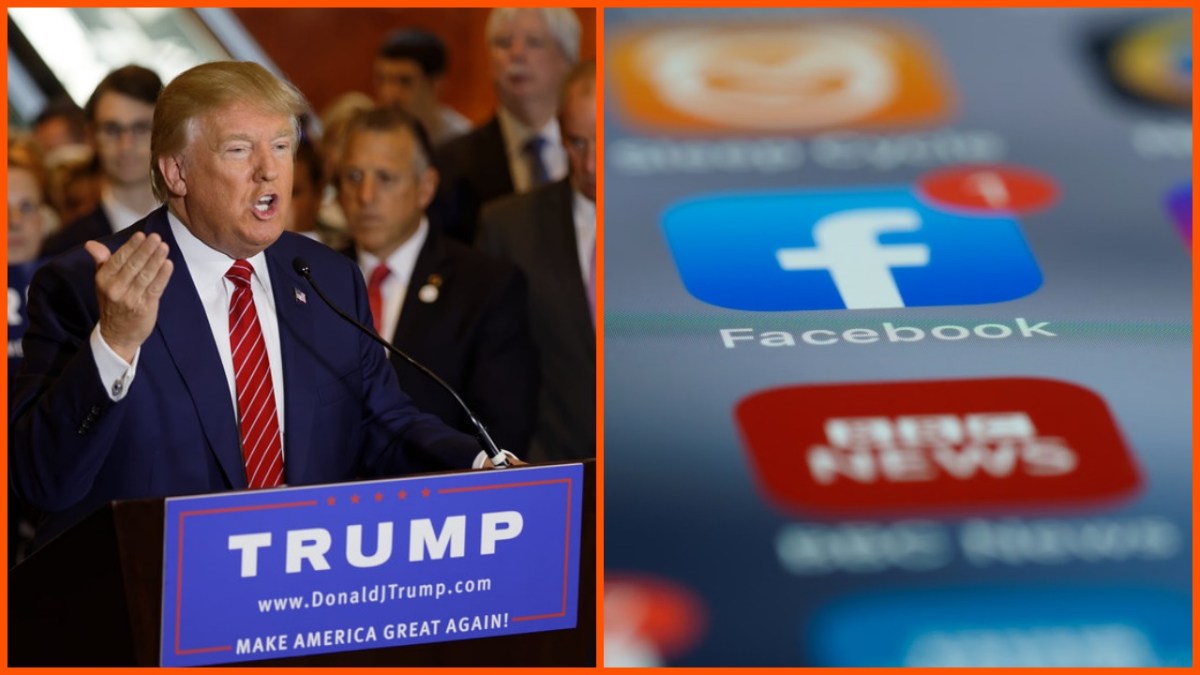

Donald Trump is facing a new problem in his $10 billion lawsuit against the BBC after a federal judge questioned whether his legal team had properly handed over evidence, according to The Guardian. The case centers on a BBC Panorama documentary that edited together two comments Trump made nearly an hour apart during his January 6, 2021, speech before the Capitol riot.
The BBC has acknowledged that the edit was misleading, but Trump has also claimed the broadcaster used artificial intelligence to insert words into his speech, an allegation the source report describes as false. Trump’s lawsuit argues that the broadcast damaged him under Florida’s Unfair and Deceptive Trade Practices Act, even though the documentary was not readily available to watch in the state.
But during a hearing in Miami, the court’s attention turned to a more immediate problem: whether Trump’s team had provided the evidence required for the case to move forward. During the hearing, the BBC’s lawyers argued that Trump’s team had failed to provide meaningful internal documents during the discovery process. “We still have a completely lopsided [situation] here on discovery. They have produced absolutely nothing of any substance,” said Charles Tobin, BBC’s attorney.
Trump has one last chance
According to Tobin, many of the documents Trump’s team had submitted were either publicly available online or had originally come from the BBC itself. Judge Enjoliqué Lett questioned whether Trump’s lawyers had made a proper effort to find the requested records.
“It strains credulity that a thorough search has been done in order to determine that all of these requests have been responded to,” Lett told Trump’s attorney, Alejandro Brito. She added, “The court is not satisfied that anyone is doing a thorough job.”
The judge gave Trump’s team 30 days to produce the relevant documents, making it clear that the consequences could be serious if they failed to follow the order. She acknowledged that discovery could be burdensome for both sides but warned that continued noncompliance could lead to sanctions, including the dismissal of the lawsuit. “This is the last opportunity to do so,” Lett said.
The deposition became another point of contention. Trump had been scheduled to sit for questioning on October 16, but his team postponed the session, citing “other matters of national importance.” The BBC’s lawyers pointed out that Trump had been campaigning in Georgia that day, while Brito argued that the president had numerous daily responsibilities that the opposing legal counsel “has no idea” about.
Trump’s team later said he would be available for a deposition during the second or third week of January. Lett, however, ordered him to sit for questioning by December 11 unless the schedule was changed by the district court judge overseeing the case. She also rejected his team’s request to prevent the seven-hour deposition from being videotaped, although the recording will only be accessible to attorneys involved in the case.
The judge also allowed the BBC to pursue a subpoena for information from Mar-a-Lago. Trump’s lawyer argued that the Florida property was separate from his presidential duties, but the BBC maintained that the club was closely connected to Trump’s business reputation. Lett agreed that its operations could be relevant to the case for discovery purposes. “The lesson for the day is that no plaintiff is above the law, and no plaintiff is above the orders of the court,” Tobin said following the ruling.



Published: Oct 23, 2026 10:15 am