


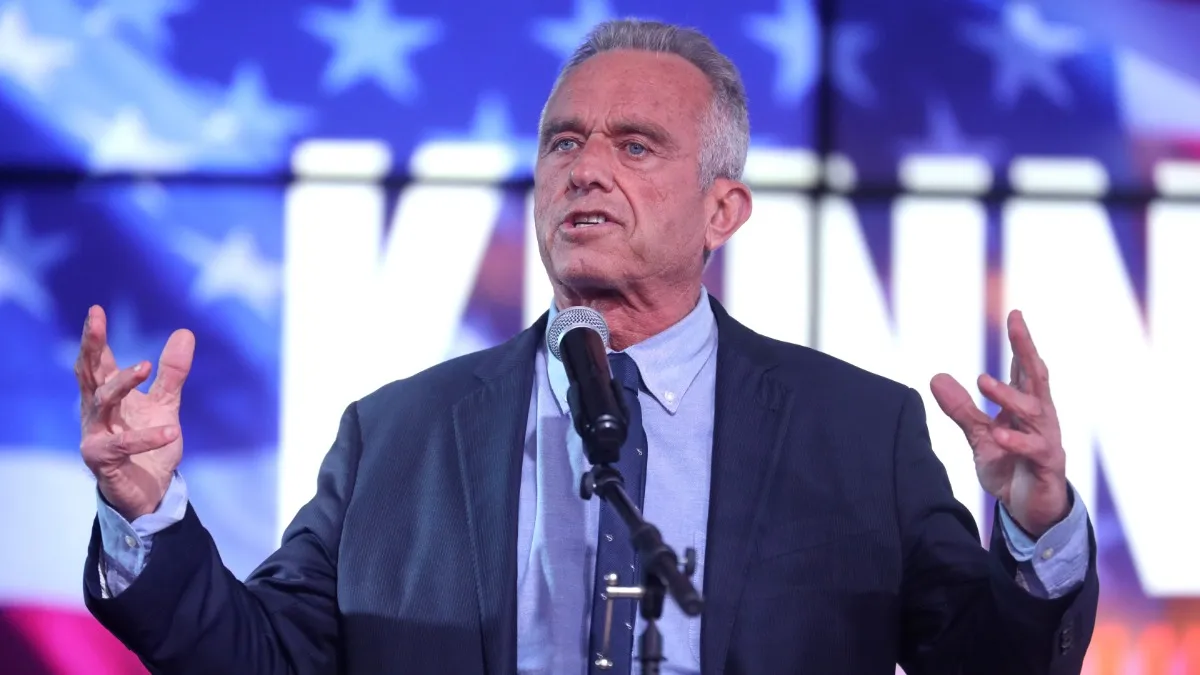

The Health Department has abruptly terminated more than half of the existing grants managed by its office dedicated to improving the healthcare of minorities, per NOTUS. This move comes as the administration shifts its focus toward new priorities, specifically targeting infertility and the promotion of exercise. These changes mean that programs previously funded to support postpartum health, cancer screenings, and suicide prevention among first responders are losing their financial backing.
The decision affects 16 county, state, and nonprofit organizations. These grants totaled $38 million over a four-year period, with the affected groups having already received two years of funding. Many of the organizations were caught off guard by the termination letters, which were sent out on August 25. These letters were signed by Eric West, the acting chief grants officer at the HHS Office of the Assistant Secretary for Health, and Mahyar Mofidi, the deputy assistant secretary for minority health.
The administration has clarified that it wants to shift resources to advance goals like reducing overmedicalization by addressing root causes of infertility. The specific list of concerns now includes hormonal imbalances, endometriosis, uterine fibroids, low sperm count, low testosterone levels, and erectile dysfunction. Additionally, the department is prioritizing programs that promote regular physical activity and exercise.
For many organizations, this pivot is confusing and frustrating
Christopher Joseph, the executive director of EngageWell, noted that his group was using its grant to help hypertension patients monitor their blood pressure at home. The group also operated a program called Food as Medicine, which delivered fresh produce and eggs to 150 New Yorkers every other week.
Joseph mentioned that he thought the program aligned well with the preventive health focus of Health Secretary Robert F. Kennedy Jr. and his Make America Healthy Again movement. He stated, “When MAHA came about we thought great, this aligns with their priorities.”
Other organizations are struggling to understand why their specific missions were dropped. Illuminate Colorado, a Denver-based nonprofit, uses its funding to send nurses to the homes of minority women after they give birth to ensure both mother and child are doing well. The group’s co-executive director, Jillian Fabricius, expressed her surprise at the shift in priorities, saying, “It was news to us that maternal and infant fatality prevention wasn’t a priority.”
The administration’s letters to these groups were largely identical, stating that the canceled awards no longer advance current agency priorities. Even when groups specifically focused on maternal and infant health reached out, the response was that such work does not advance minority health regarding the current priority areas of the Office of Minority Health.
This is not the first time the Trump administration has moved to cut or cancel funding to reshape the federal government’s research and aid portfolio. Over the summer, the administration canceled 150 awards that funded health delivery research and delayed hundreds of millions of dollars in grants for political review.
The Office of Minority Health has seen its influence and reach dwindle, as its website currently lists only two funding opportunities for fiscal year 2026. This is a sharp contrast to the Biden administration, which funded dozens of grants annually.
The future of these programs remains uncertain. At the University of Arkansas for Medical Sciences, a program aimed at reducing infant and maternal mortality among Black families in the Arkansas Delta is now at risk of ending entirely. Spokesperson Leslie Taylor noted that this is a critical issue in the state, which has high mortality rates.
As the administration continues to target these offices, the long-term impact on community health services remains a significant concern for those who relied on this support.









Published: Sep 6, 2026 02:51 pm