


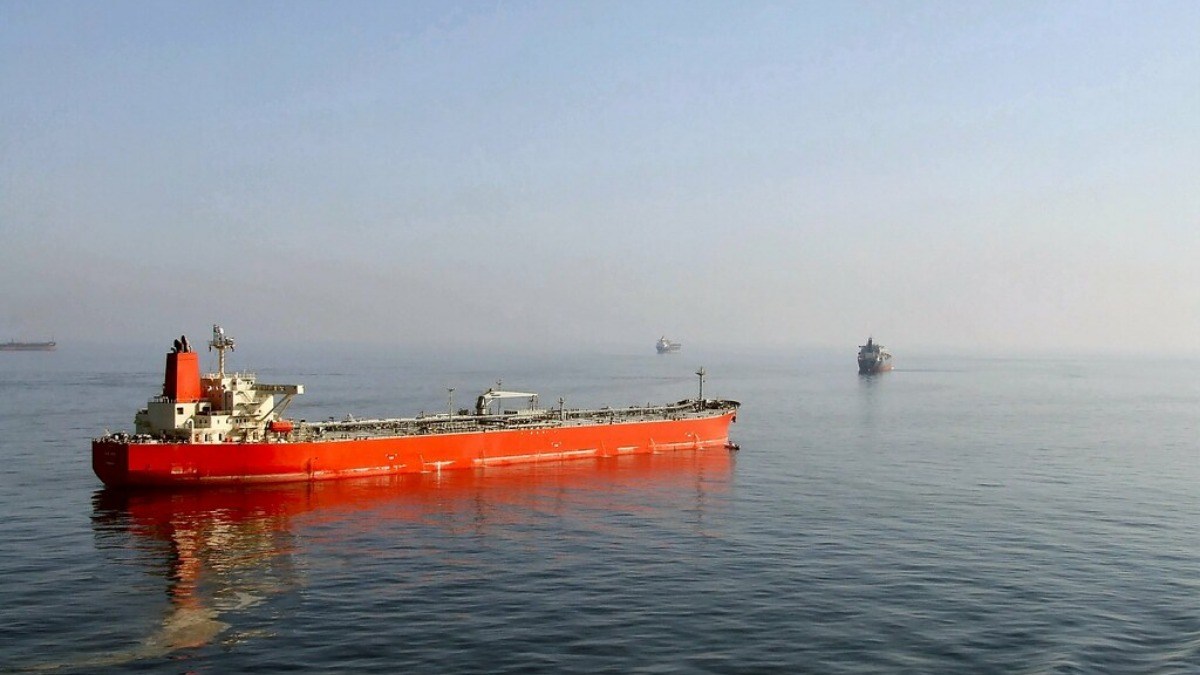

Iran claimed on Sunday that it struck an unmanned United States vessel attempting to enter the Strait of Hormuz, but the United States military quickly dismissed the report as a “total lie,” the Associated Press reported. This latest friction in the region follows a series of intense exchanges that have kept the Strait of Hormuz at the center of a volatile conflict.
The reported attack on the unmanned vessel happened just one day after United States forces struck three Iranian oil tankers. Those strikes were a direct response to Iranian forces targeting United States Navy warships with ballistic missiles. Experts are already labeling these recent developments as a dangerous escalation, especially since Iran had previously focused its maritime aggression on commercial shipping.
Fighting between the two nations has been a persistent issue since the war began with initial United States and Israeli attacks on February 28. Although a fragile ceasefire was announced in June, the situation has remained unstable.
Negotiations between the two sides have collapsed
That has left both sides attempting to inflict significant military and economic pain on one another. Hostilities resumed about a week ago following a month of relative calm, with the Strait of Hormuz and Iran’s southern coast once again becoming primary targets. A United States bombardment earlier in the week resulted in at least five deaths, bringing renewed attention to areas affected by the war’s opening strikes, including a location where a school was hit.
President Trump and his administration seem to be utilizing a dual-prong strategy in this conflict. They are responding with military force whenever the Strait of Hormuz is threatened, while simultaneously targeting foreign financial institutions that facilitate Iranian money transfers.
Despite these efforts, Iran’s hard-line senior leadership has indicated they are ready to dig in for the long haul. Having weathered decades of sanctions, the country has developed methods to circumvent restrictions and even a United States port blockade. By utilizing a shadow fleet to transport oil to buyers, Iran continues to mitigate growing economic pressures.
The Strait of Hormuz remains the focal point of Tehran’s leverage, as it is a critical artery for global oil and natural gas shipments. While it was considered an international waterway prior to the war, it is now a highly contested zone.
United States Energy Secretary Chris Wright stated on Sunday that an average of 9 million barrels of oil are passing through the strait daily, a figure he believes will help alleviate pressure on energy prices. This estimate appears to be higher than the average flows recorded over the past 28 days by sources like TankerTrackers.com. Wright noted that when factoring in regional pipelines, the current volume is likely two-thirds or more of pre-conflict flows.
Maintaining these flows relies heavily on the United States Navy, which provides escorts and protection for tankers navigating the area. Wright expressed his expectation that other nations would eventually provide support for these naval operations.
Meanwhile, the underlying issue of Iran’s nuclear program remains unresolved. Negotiations regarding this program fell apart shortly after the United States and Iran signed a memorandum of understanding in mid-June. Diplomats from the United States, Britain, France, and Germany are now moving to refer Iran to the United Nations Security Council, citing the country’s failure to comply with its nuclear nonproliferation obligations.









Published: Sep 6, 2026 03:21 pm