


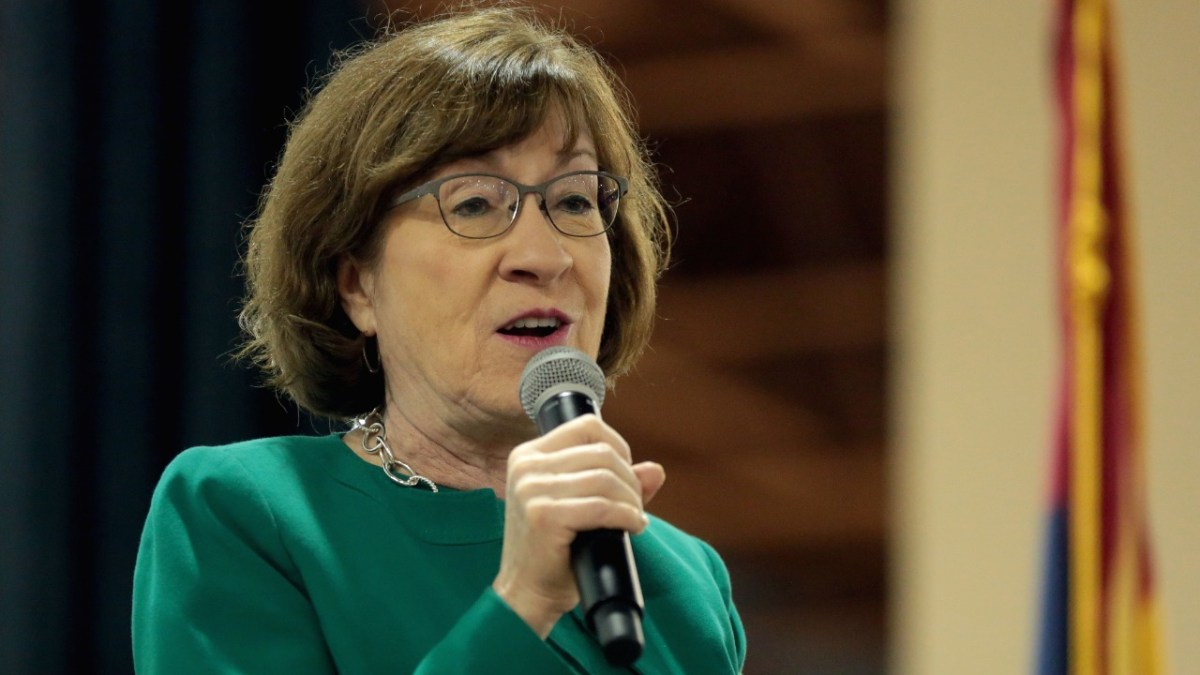

Susan Collins has lost her Maine Senate seat after serving for 30 years, as the Democratic midterm landslide shifted the political landscape. She lost to Troy Jackson in a race that stands as one of the major upsets from Tuesday. Collins was first elected in 1996 and was serving her fifth term in the Senate.
In an interview with The New York Times, Collins expressed frustration with voters who she feels abandoned her despite her record. She argued that people ignored her actions when it came to her voting record concerning President Donald Trump. Collins noted that she was one of seven Republican senators who voted to convict the president after his second impeachment trial following the January 6, 2021, attack on the Capitol.
“I was caught up in the Trump tsunami that swept away many incumbent Republican senators who have served their states well for many years and really care about our country,” Collins said. She believes that her position was misunderstood by the electorate. “Everybody ignores the fact that I voted to convict him in the second impeachment trial,” Collins said. “What bigger break could there be? It is never enough. I want results, and they want angry rhetoric.”
The election cycle was difficult and featured a bitter tone between the candidates
During an October debate, Jackson told Collins to “shut up” while the two argued over various issues. Jackson spent the campaign attempting to connect Collins to the second-term policies of President Trump. The candidates traded personal attacks and corruption allegations throughout the contest.
The unpopularity of the policies associated with President Trump created a difficult environment for Collins to navigate. Long-time Republican voters moved away from the party in significant numbers, which impacted the results of the race. Collins recalled speaking with a supporter who expressed personal support but refused to vote for her. “She said it was the only way she could send a message to Trump,” said Collins.
After the loss, Collins did not deliver a concession speech. She instead reached out to Jackson to offer her congratulations and later notified her supporters of the outcome through an email.
Carl Hulse, who interviewed Collins, noted the loss of seniority and influence that comes with her departure from the Senate. He wrote, “In rejecting Ms. Collins, Maine voters gave up a tremendous amount of influence over federal spending by turning out the woman at the helm of the influential committee that controls federal spending.” Hulse has covered Collins for a long time and previously described her as a dedicated senator and a key figure in efforts to reform presidential certification processes.
Collins spent much of her career trying to balance an independent political agenda while avoiding direct conflict with President Trump. This was a challenging task given that the 80-year-old president is known for holding grudges against members of his own party who challenge him. The political tide proved to be too strong for Collins to maintain her position in the end.
Her departure marks the end of a three-decade tenure in the Senate for the Maine Republican.







Published: Nov 6, 2026 06:00 am