


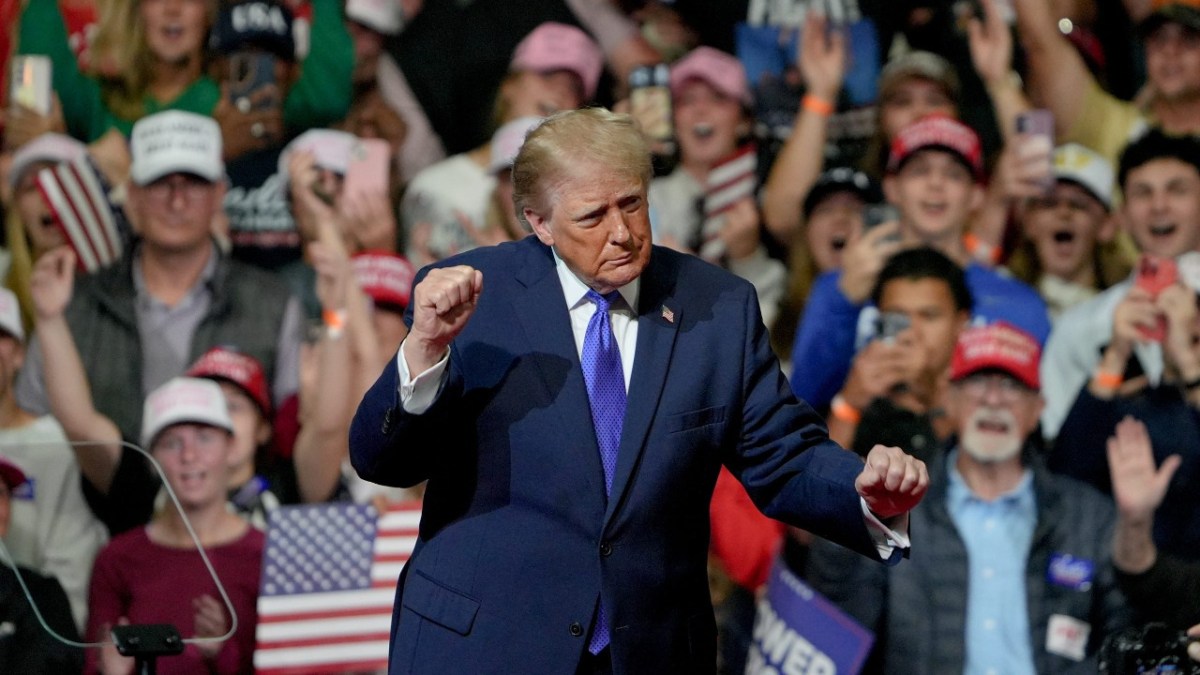

President Donald Trump is moving ahead with plans for a fresh set of tariffs aimed at China and a wide group of other nations, according to CNN. The step is meant to restart his trade priorities after the Supreme Court rejected the broad global tariffs he had put in place earlier this year.
Among the 14 trading partners under review, China and Vietnam would face the steepest starting rate at 20 percent. Those figures could climb further if the countries fail to meet terms of existing trade deals, with China potentially reaching 40 percent and Vietnam 35 percent.
For the European Union, the opening rate would stand at 15 percent and could later increase to 20 percent. Administration officials say the measures could begin as soon as January, though a public notice-and-comment period and formal hearings must still take place first.
Proposed tariffs follow investigation into foreign manufacturing supports
The new duties grow out of a months-long review conducted by the Office of the US Trade Representative. Investigators examined whether foreign governments have used subsidies and favorable loan terms to encourage companies to manufacture more goods than they otherwise would.
Officials contend that such practices allow overseas producers to flood markets with goods sold at artificially low prices, undercutting American companies in the process.
Under the plan, energy products, food items that are hard to grow in the United States, certain semiconductor chips, and pharmaceuticals would be excluded. The proposed tariffs also would not be added on top of duties already in place for automobiles, steel, and aluminum.
Because of those exclusions, and because many businesses have already adjusted prices to account for similar earlier rates, Americans are not expected to see large increases in costs from the changes. Brazil, which faced 50 percent tariffs, has revealed what happened to its US trade share.
A White House official expressed the view that any retaliatory steps by other countries are likely to remain limited. The same official noted that trading partners had received advance word of the proposals.
The timing follows a recent meeting in which Trump and Chinese leader Xi Jinping adopted a notably friendly tone. Trump also drew attention on that trip with his remarks about spying on China.
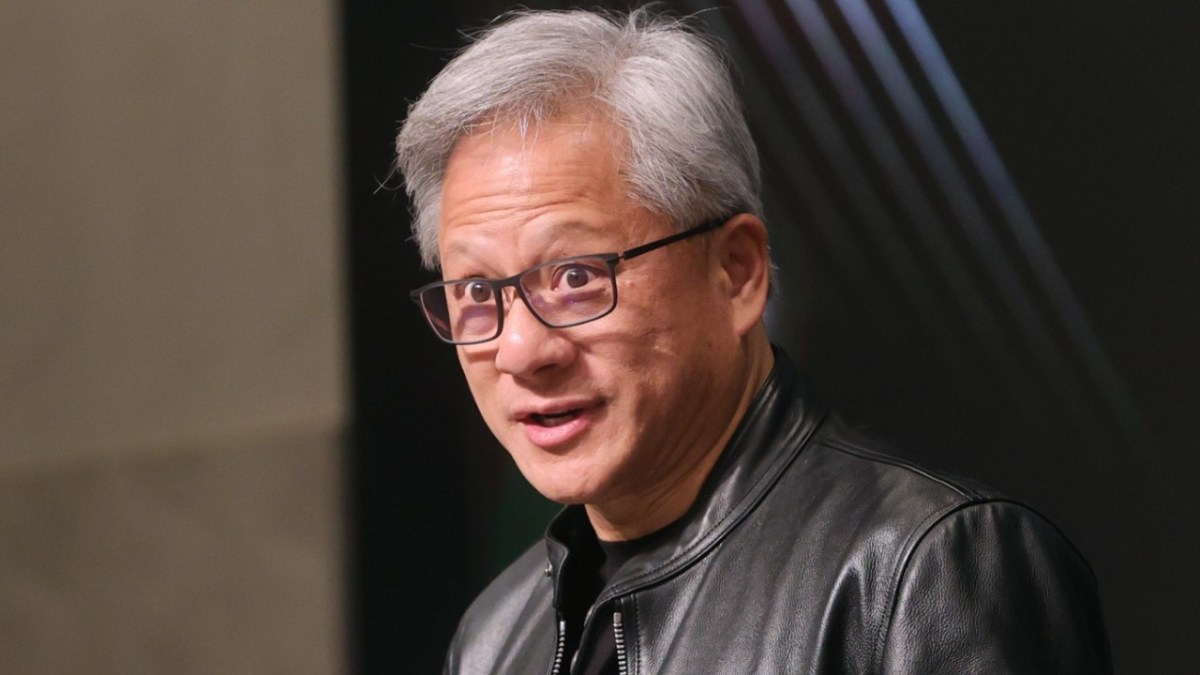
Separately, on Monday Trump took credit for the reinstatement of Jensen Huang as Nvidia’s CEO, even as lawmakers from both parties have voiced worries that China could use advanced Nvidia chips to strengthen its military by finding ways around export limits.
With the midterm elections now complete, Trump administration officials appear ready to shift focus back to the president’s trade goals. That shift is not expected to sit well with many voters or with some Republican members of Congress.
Nationwide results from CNN’s Voter Poll showed that two-thirds of voters believed Trump’s tariffs had hurt the national economy, and nearly the same share said the same about their local economies. Frustration over the tariffs contributed to the election of an unprecedented number of Democrats, including many who won in states and districts that had long leaned Republican.
In the weeks since the election, a growing number of Republicans have spoken out about concerns with the tariff approach. Sens. Ted Cruz and Todd Young are among those who have raised the issue publicly. Their positions could create an added obstacle for the administration’s plans if they align with Democrats on challenges to the policy.
Young wrote in a post on X after the midterms, “One of the causes of increased costs is that our current tariff structure is overly broad, and as a result, it is negatively affecting too many American factory floors, farms, small businesses, and family budgets.” He continued, “I’ve said for over a year that our tariff policy must be tied to clear objectives focused on protecting America’s economic and national security.”






Published: Nov 26, 2026 12:30 pm