


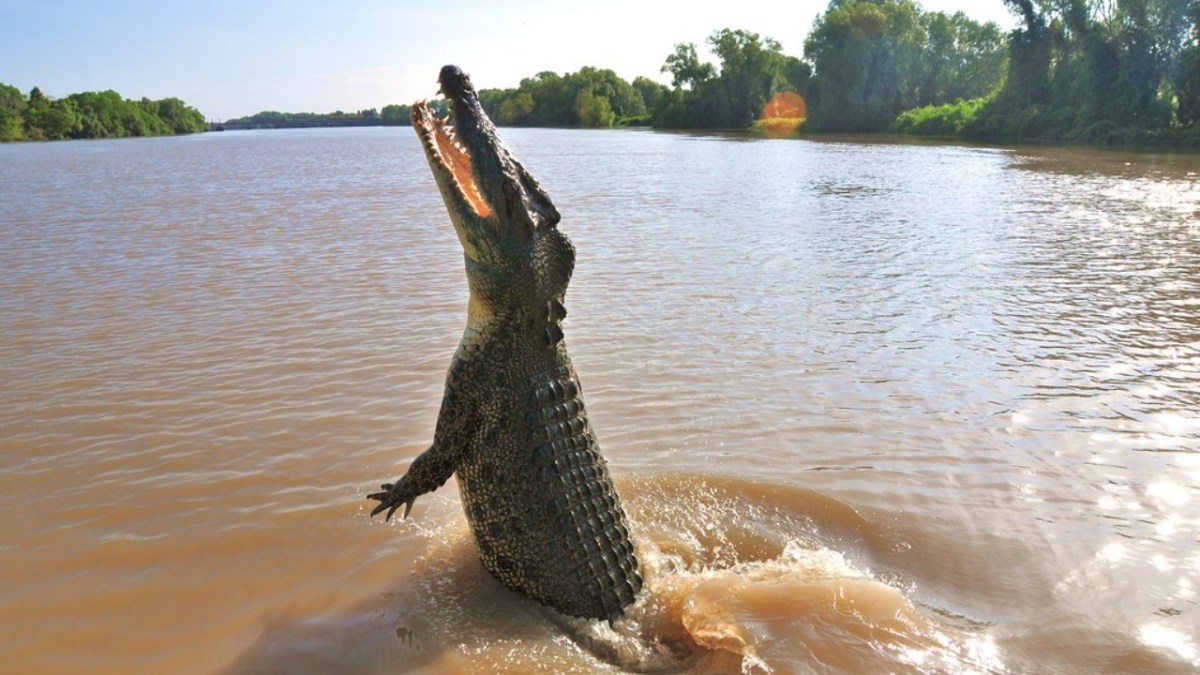

The Fitzroy River in Rockhampton, Queensland, has officially received the green light to host rowing and canoeing events for the 2032 Brisbane Games. This decision comes after an independent technical assessment confirmed the Australian venue is suitable for the Olympic and Paralympic competitions, despite the river being home to an estimated 500 saltwater crocodiles, the BBC reported.
The assessment was commissioned by the Games Independent Infrastructure and Coordination Authority, known as GIICA. It focused entirely on how the course would perform under various weather patterns, water levels, and flood risks during the games and the lead-up period.
Interestingly, the report did not take the presence of the crocodiles into account. GIICA noted that the Fitzroy River Flatwater Facility is already a regular venue for school state championships, local regattas, and national team training camps. Because it is already a recognized facility, officials have established contingency plans to handle situations when crocodiles are spotted during events.
World Rowing and Paddle Worldwide have both given their formal endorsement to the course
World Rowing President Jean-Christophe Rolland said, “Based on the extensive analysis undertaken, we now know that the Fitzroy River is capable of providing fair competition conditions during the period of the Games, consistent with the requirements of Olympic and Paralympic Rowing.”
Paddle Worldwide President Thomas Konietzko echoed this sentiment, stating, “The quality and depth of the technical work undertaken has significantly improved our understanding of the field of play and provides confidence to us and our athletes that the course can deliver fair competition for Canoe Sprint athletes.”
Brisbane 2032 President Andrew Liveris has consistently pushed for a positive outlook regarding the venue. Last year, he compared the crocodile situation to surfing in the ocean, noting that there are sharks present but people still participate in the sport.
He emphasized the need for a productive mindset, stating, “There are sharks in the ocean and we’re still surfing… it’s a can do, not a can’t do – please change the mindset here.” Speaking on Thursday about the official approval, he added, “The endorsement provides additional certainty as we move into the next phase of venue planning and Games delivery, ensuring all future design and operational work continues to focus solely on Rockhampton.”
Not everyone is fully convinced that this is the right move for the athletes. Drew Ginn, a three-time Olympic gold medalist in rowing, expressed concerns regarding the fairness and integrity of the course, as well as the overall experience for those traveling to a location that is six or seven hours away from Brisbane.
Regarding the wildlife, he acknowledged the potential for a performance boost, saying, “I’m sure I’d row faster, I’m sure all the athletes would row faster. That’s on the list of concerns, I don’t think it’s the highest priority in concerns but it was certainly cited very early on.”
Ginn also questioned the logistics of managing the local crocodile population, which can reach lengths of over six metres. He asked if international rowing really wants to put athletes in a position where their safety is a recurring concern. Beyond the animals, he worries that the distance from the main hub of the games could negatively impact the experience for both spectators and competitors.
Ginn remains skeptical about the technical fairness of the course, noting that a race could be decided by a fraction of a second while lane conditions might vary significantly.





Published: Sep 17, 2026 06:06 pm