


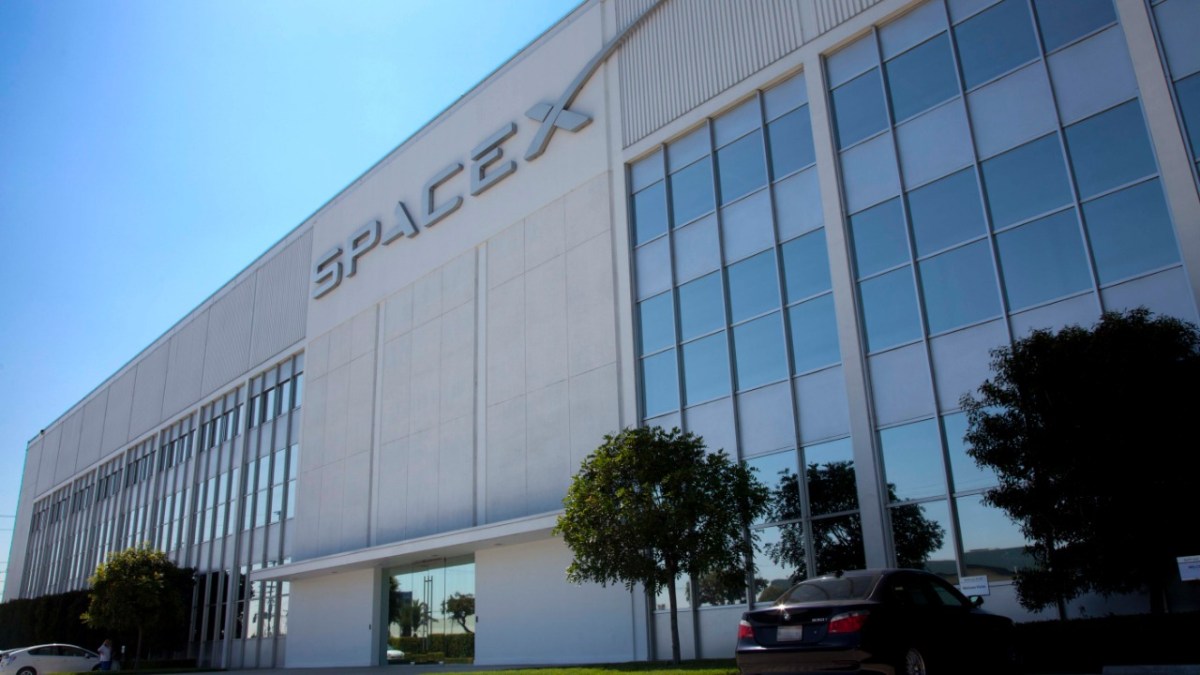

The United States military has provided SpaceX with access to its most precise space tracking data, creating a situation that has many in the industry concerned about the future of orbital traffic management, The Guardian reports.
This move grants Elon Musk’s company a significant advantage over competitors by letting it use highly detailed information regarding potential satellite collisions. The data comes from the US Space Command’s secure High Accuracy Catalog, which tracks objects as small as 10cm using ground-based radars and telescopes.
This development arrives while the Traffic Coordination System for Space, known as Traccs, faces an uncertain future. The administration has attempted to slash the budget for this government program twice, while Doge fired many of its staff members in 2025.
The military is receiving access to the Stargaze system in exchange for its data
Cole Donovan, a former Traccs employee who now works with the Stand Up for Science non-profit, believes this is a clear move toward privatizing a vital public function. He noted, “It’s making a company the de facto source for space traffic coordination within the US,” adding, “It’s like giving a trucking company control of all the traffic lights, which they can switch to red whenever it’s their competition’s turn to go.”
The military is receiving access to the Stargaze system in exchange for its data. Stargaze is a network of sensors and cameras mounted on Starlink satellites, though it is currently less accurate than the military’s own systems. A SpaceX employee mentioned during an industry conference that the military “radar data is an extremely valuable tool to supplement Stargaze.”
While the government gains more observations, the military data is classified as controlled unclassified information. This data has historically been held closely to protect defense capabilities and prevent foreign entities from learning the limits of US sensor technology.
Critics view this deal as part of a broader trend regarding the current administration’s relationship with Musk. Craig Holman, a lobbyist for the non-profit Public Citizen, suggests that the access is a reward for political support. “Elon Musk has bought his way into the favor of President Trump and with it, unlimited riches and lucrative government contracts in the space industry,” Holman stated. “[His] political investment is paying off very, very handsomely – as was intended.”
The commercial space market is poised to reach a value of nearly $2 trillion over the next decade. Some industry observers worry that the government is becoming too dependent on SpaceX, leading to a potential vendor lock scenario. This concern is heightened by the fact that Starlink already operates about 11,000 satellites, with plans to grow that number significantly in the near future.
Not everyone agrees that SpaceX is at fault for stepping into this role, however. A former official from the National Oceanic and Atmospheric Administration, who spoke on the condition of anonymity, noted that SpaceX has been “remarkably responsive to space safety concerns.”
This individual expressed more frustration with the government’s inability to create a fair, transparent framework for space operations. “My greater disappointment is with the government’s failure to fulfil its responsibility to establish a coherent space governance framework that provides guidance, transparency, and a level playing field for all operators,” the official said.
The Space Force and SpaceX did not respond to requests for comment regarding these concerns. In a statement to Breaking Defense, a Space Force spokesperson explained, “The Space Force is engaging with several companies to exchange commercial data sources for access to sections of the controlled, unclassified information, high accuracy catalogue, where it provides benefit to the US government.”
Regardless of the reasoning, the move leaves Traccs in a difficult position as Congress and the administration continue to debate its role in the coming years.






Published: Oct 25, 2026 05:30 pm