



Congressman Gregory Meeks, the top Democrat on the House Foreign Affairs Committee, called on the Trump administration on Wednesday, November 25, to immediately stop US government participation in a proposed $10 billion deal for Lukoil international assets, Kyiv Post reports.
Meeks warned that the move circumvents congressional restrictions, empowers Russia, and undercuts Ukraine while Moscow continues its war. The congressman demanded answers regarding the involvement of the US International Development Finance Corporation in the acquisition and labeled the transaction a “shameful deal”.
Meeks issued a statement expressing his frustration with the administration. He said, “Congress banned the DFC from investing in Russia less than a year ago, yet this Administration is circumventing that restriction by buying 10 billion dollars in energy assets from Russia’s largest oil company, a corporation the US sanctioned precisely to pressure Moscow to end its war in Ukraine.” He added, “DFC exists to advance development in emerging markets, not serve as a finance vehicle for President Trump’s wealthy and well-connected friends.”
The controversy erupted after US billionaire Todd Boehly’s recent announcement
Boehly announced that a consortium backed by the US government signed an agreement to acquire Lukoil international energy assets through a 10 billion dollar securities swap. Under these terms, Washington would acquire an ownership stake through the DFC, which provides the US government a share of future profits and representation on the company’s governing board. The consortium plans to exchange Lukoil securities for the Russian company’s overseas assets instead of making a direct cash payment.
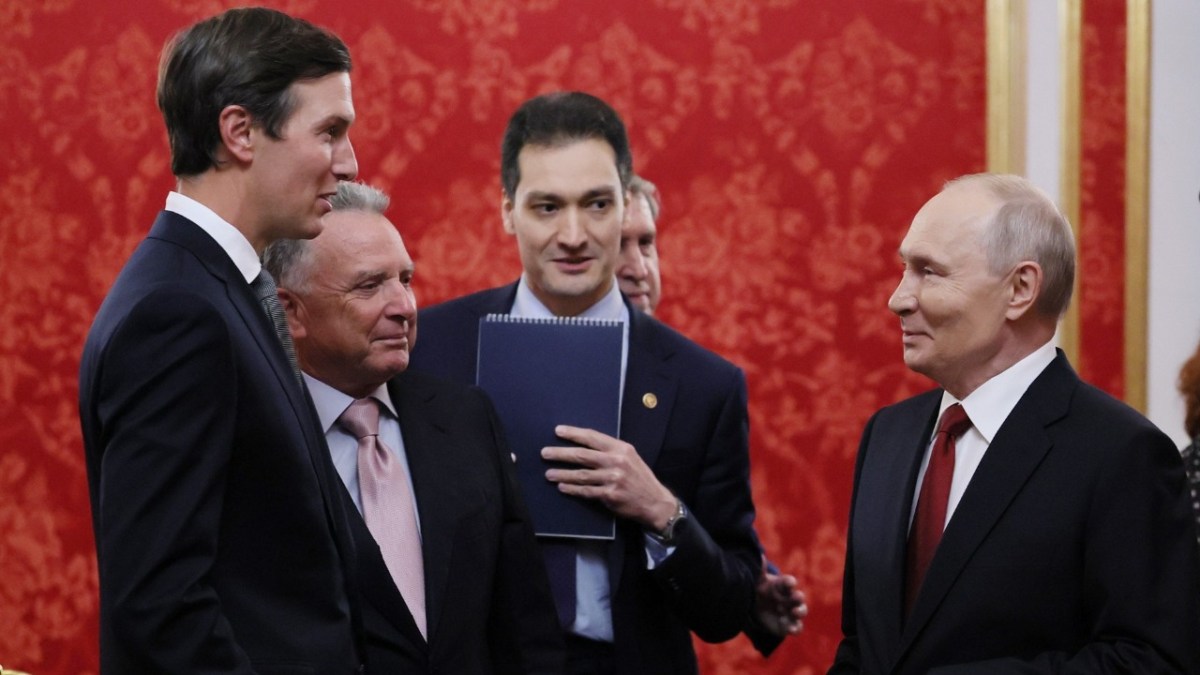
An analysis by the Center for Strategic and International Studies indicates that US presidential envoys Steve Witkoff and Jared Kushner were directly involved in shaping the terms of the agreement to secure financial benefits for Washington.
The proposed acquisition remains subject to approval by the US Treasury Department’s Office of Foreign Assets Control. While the administration argues that transferring Russian energy assets into American or allied ownership would weaken Moscow’s financial influence, Meeks remains skeptical. He warned that the actions of the administration undermine Ukraine and that the American people deserve to know why a US government agency is taking an ownership stake in a Russian oil company portfolio while Russia continues its war.
This situation follows a history of pushback from members of Congress regarding Russian energy deals. In October, Meeks introduced legislation seeking to prohibit the DFC from participating in transactions involving Russian-owned energy assets, whether those assets are located inside or outside Russia. This proposed legislation would explicitly extend restrictions to overseas energy assets held by Russian entities.
Legislators have voiced concerns for some time. In an October 6 joint letter to Secretary of State Marco Rubio and Treasury Secretary Scott Bessent, Democratic Senator Jeanne Shaheen and Republican Senator Roger Wicker warned that congressional restrictions on new US investments in Russia were relevant to this acquisition.
Additionally, Democratic Senator Jon Ossoff criticized the transaction in October, highlighting the role of Witkoff and Kushner in negotiating the deal for politically connected investors. The US sanctioned Lukoil and Rosneft in October 2025 to curb Moscow oil revenues and reduce its ability to finance its war against Ukraine.
Meeks insists the administration must stop this “shameful deal” to ensure the objectives of those sanctions are met.





Published: Nov 26, 2026 01:45 pm