


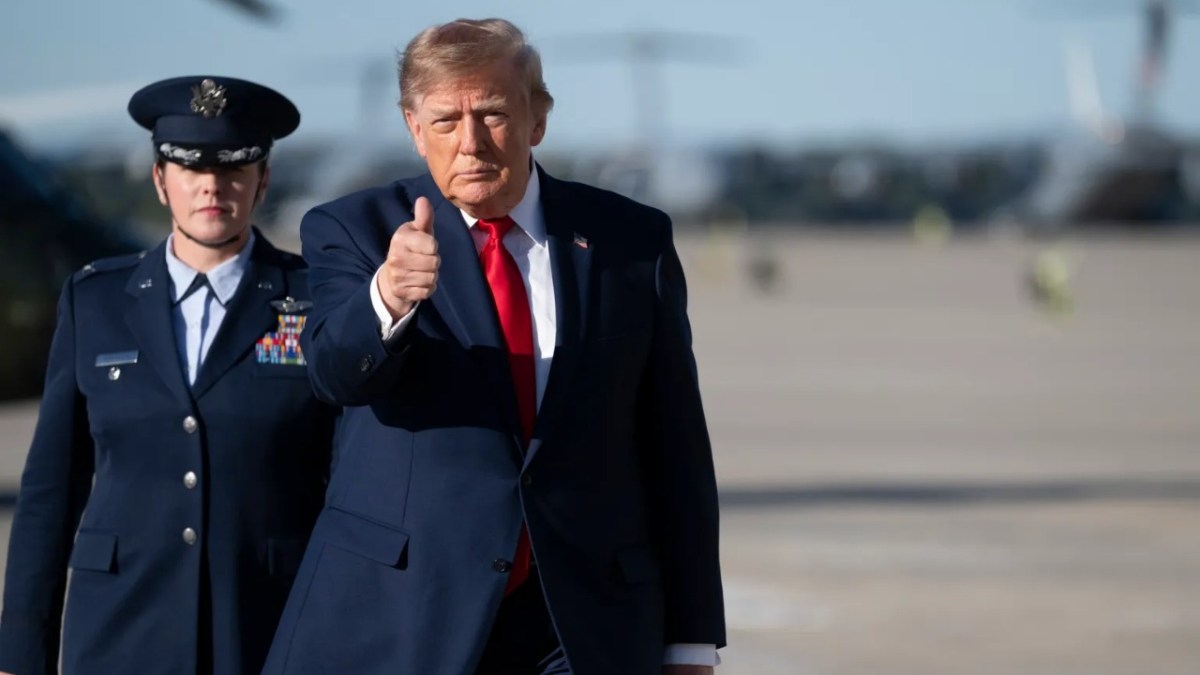

President Donald Trump has been actively campaigning across the country to protect the current 218-214 Republican majority in the House of Representatives, but his aides have been secretly planning for a potential Democratic takeover since April, US News reports. These preparations involve a strategy to lean heavily on executive power to keep advancing his agenda if the political landscape shifts after the midterm elections.
The administration has been working with the White House Counsel’s Office to identify specific actions on immigration, federal spending, housing costs, and tariffs that Trump could pursue without needing congressional approval.
Senior officials, including budget director Russell Vought and deputy chief of staff Stephen Miller, have been central to this effort. White House counsel Will Scharf and his team are currently evaluating the legal limits of presidential authority and how to defend potential executive actions in court.
This planning highlights a major dynamic of the midterm elections
While a Democratic-controlled Congress would gain the power to launch investigations and block legislation, Trump would still hold significant executive authority over foreign policy, trade, and the federal bureaucracy. When asked how comfortable Trump would be with this arrangement, one person familiar with the plans said, “very comfortable.”
Trump has already demonstrated his willingness to bypass Congress since returning to office in January 2025. He has used executive authority to shrink the federal workforce, intensify immigration enforcement, impose tariffs, and pursue foreign policy goals like the war against Iran.
Nathan Gonzales, editor at Inside Elections, noted that Trump has frequently bypassed the legislative branch. “President Trump in the last two years has basically ignored Congress and tried to do as much as possible through executive orders and executive power,” Gonzales said. “I think he will only continue if there are Democratic majorities.”
If Republicans lose control, Trump suggested he is prepared to use his veto power extensively. In an interview excerpt released on Sunday for the New York Post’s Pod Force One podcast, Trump said, “I guess I’ll become Mr. Veto.” He added, “And then at some point, we’ll probably make deals.”
The White House has pushed back against the idea of Republican losses and accused the media of promoting a false narrative. White House spokeswoman Lauren Bis stated, “This administration and commonsense Republicans will continue to secure our borders, restore law and order, putting more money back into the pockets of hard-working Americans, and deliver wins for the American people.”
Internal planning suggests the administration is looking at several specific areas for unilateral action. This includes new tariffs on wind turbines and critical mineral imports, tighter visa rules for international students and temporary foreign workers, and measures to address construction and housing costs. Vought is also examining how to use already appropriated money for new priorities and is looking at changing federal grant rules to give political appointees more control over program funding.
A Democratic Congress would still present hurdles, particularly regarding judicial and executive-branch nominations. Andrew Busch, a public policy professor at the University of Tennessee, Knoxville, mentioned that he would anticipate Democrats being very reluctant to approve any of the president’s appointments. While the administration prepares for these scenarios, they are also bracing for the reality of congressional investigations.
Lawyers have been briefing agency leaders and political appointees on how to handle subpoenas and document requests, often advising them to be careful about what they put in writing. The administration is also seeking a Justice Department opinion that might allow Trump to use executive privilege to protect communications with private advisers from congressional scrutiny.








Published: Nov 1, 2026 06:30 pm