


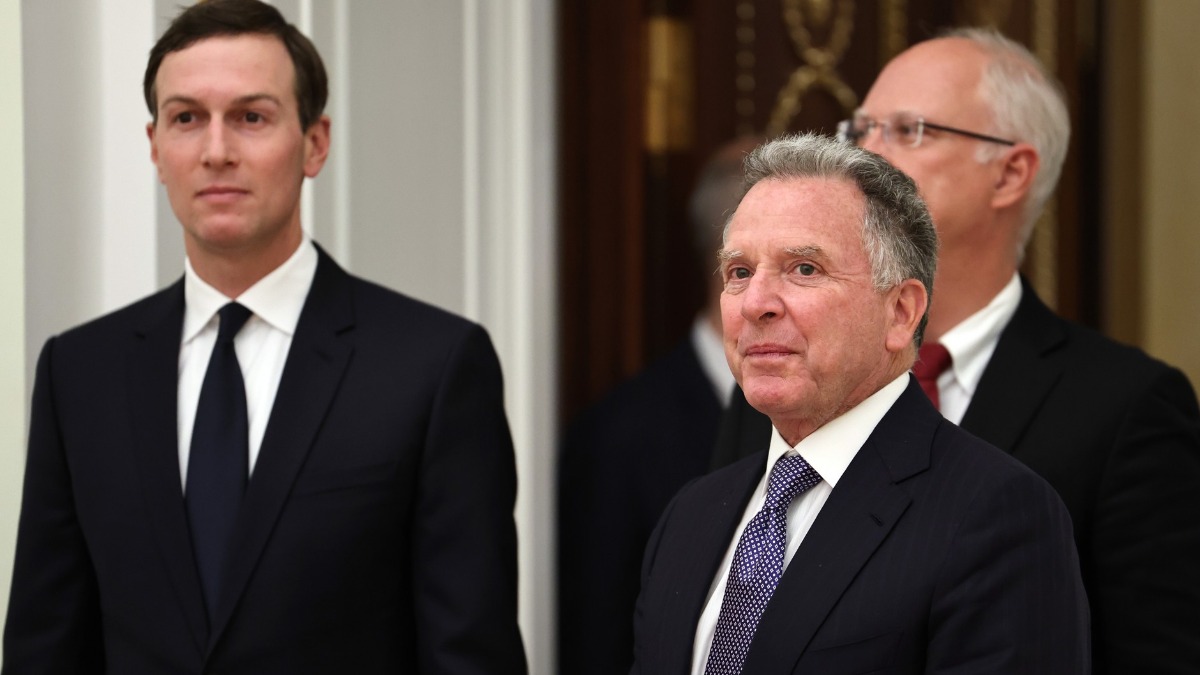

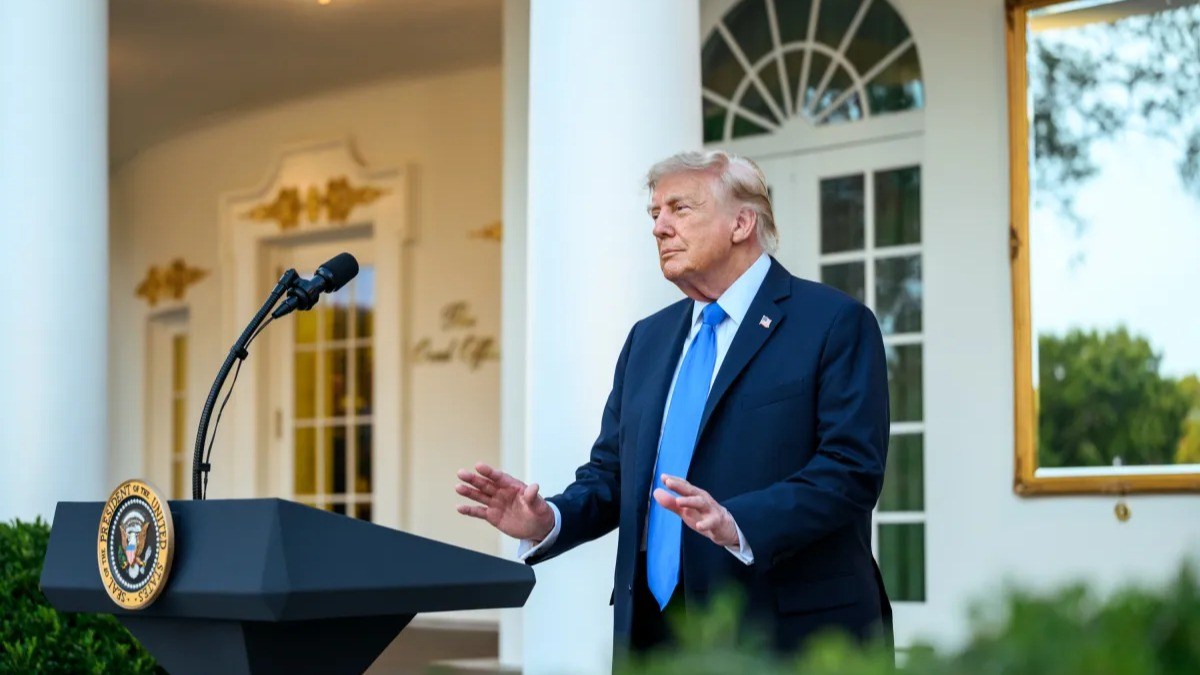
President Donald Trump has abruptly canceled a planned trip by his special envoy Steve Witkoff and son-in-law Jared Kushner to Pakistan, effectively stalling the latest attempt to jump-start peace negotiations with Iran. This sudden reversal, per Politico, arrives one day after the administration stated that the visit could be a vital step toward resolving the ongoing conflict. Trump is clearly feeling impatient regarding the pace of these diplomatic efforts.
The president took to Truth Social to explain his decision, stating, “I just cancelled the trip of my representatives going is [to] Islamabad, Pakistan, to meet with the Iranians. Too much time wasted on traveling, too much work! Besides which, there is tremendous infighting and confusion within their ‘leadership.’ Nobody knows who is in charge, including them. Also, we have all the cards, they have none! If they want to talk, all they have to do is call!!!”
This move comes after a period of intense diplomatic whiplash. The trip to Islamabad had been organized very quickly, with the White House initially suggesting that Witkoff and Kushner would engage in indirect talks with Iranian officials using Pakistan as an intermediary.
By the way, this announcement was made two days before the cancellation
According to The Guardian, the goal of these talks was to determine if there was a basis to reopen peace negotiations that might end with a permanent commitment to cease hostilities. Iranian Foreign Minister Abbas Araghchi had been touring Pakistan, Russia, and Oman to seek a path forward.
The complexity of these negotiations has been evident for weeks. Iran had previously stated it would not restart talks until the United States lifted its blockade of Iranian ports, while the United States has been demanding verifiable assurances that Tehran would end its nuclear program and lift its own blockade of the Strait of Hormuz.
Defense Secretary Pete Hegseth recently noted at a Pentagon briefing that the United States had no reason to be anxious for a deal. According to him the U.S. Navy was effectively controlling movement through the strait. However, the situation on the ground remains incredibly delicate.
While there is a temperamental informal ceasefire in place following weeks of U.S. strikes and Iranian retaliation, it lacks any written agreement or verification mechanism. Periodic flare-ups continue to threaten the stability of this pause. The recent cancellation suggests that the administration is recalibrating its approach after early diplomatic openings failed to yield the quick results the president clearly expects.
Trump himself provided some insight into his demands. He claimed that Iran had presented him with a proposal that he found lacking, but that within 10 minutes of his decision to cancel the trip, Tehran sent a new, improved version. When asked about the content of this new proposal, Trump stated, “We talked about they will not have a nuclear weapon. Very simple. That whole deal is not complicated.”
The diplomatic landscape is further complicated by the internal political dynamics within Iran. There has been ongoing speculation regarding the cohesion of the Iranian leadership, with officials like the UAE’s diplomatic adviser, Anwar Gargash, claiming that there is political jockeying between the military and political wings in Tehran.
Iranian officials, meanwhile, have maintained that their primary objective is ending the war in a way that secures the country’s interests. This includes issues related to compensation and the lifting of sanctions.
Even with the cancellation of the U.S. envoys’ trip, the situation remains fluid. In a new development reported by Politico, Iranian Foreign Minister Abbas Araghchi returned to Islamabad on Sunday night to continue consultations on ending the war after a brief stop in Oman.
This return occurred just hours after the initial confusion regarding whether the talks would proceed at all. Araghchi’s return underscores the persistence of the parties involved, even as the U.S. maintains its hardline stance.
The administration’s position remains firm: the United States is in no rush, and the burden of initiating further contact lies with the Iranian leadership. As the president emphasized in a separate statement, he told his team that they were not going to make an 18-hour flight to sit around talking about nothing. For now, the world is waiting to see if Tehran will take the president up on his offer to simply pick up the phone.




Published: Apr 27, 2026 02:29 pm