


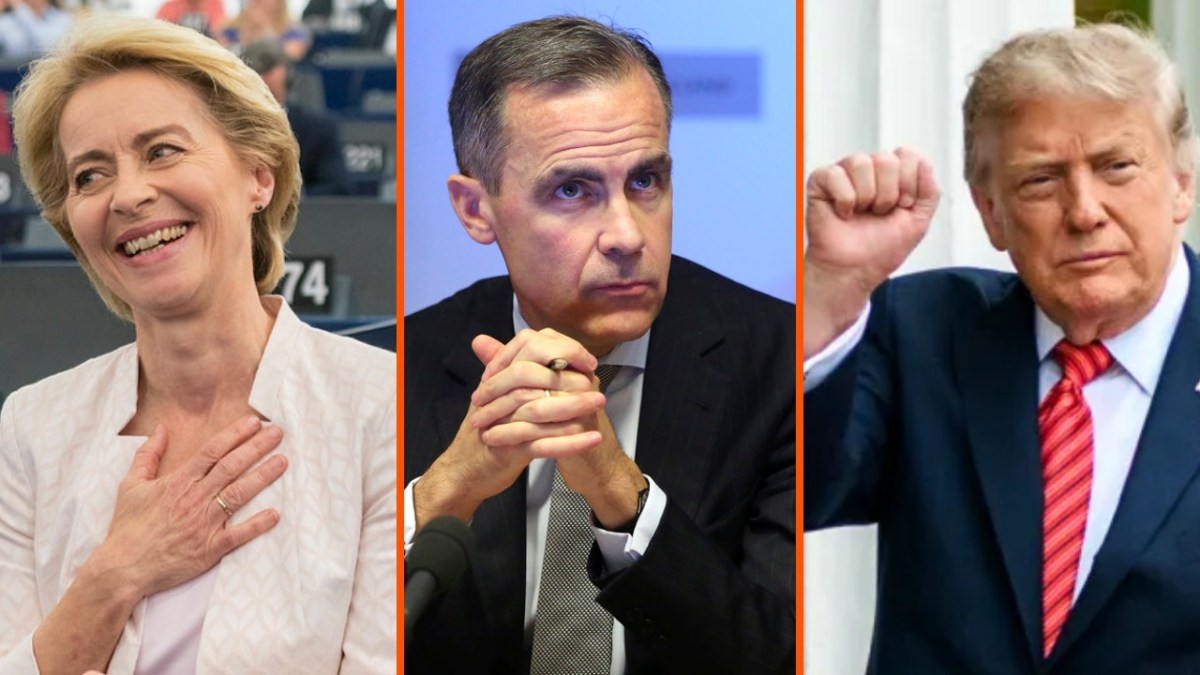

European Commission President Ursula von der Leyen recently proposed that Canada become the bloc’s first associate member. The proposal aims to strengthen economic ties. However, President Donald Trump had an immediate, sharp response. According to CNN, the President warned that he could impose heavy tariffs on the European Union if he views any new agreement with Canada as a “hostile act.”
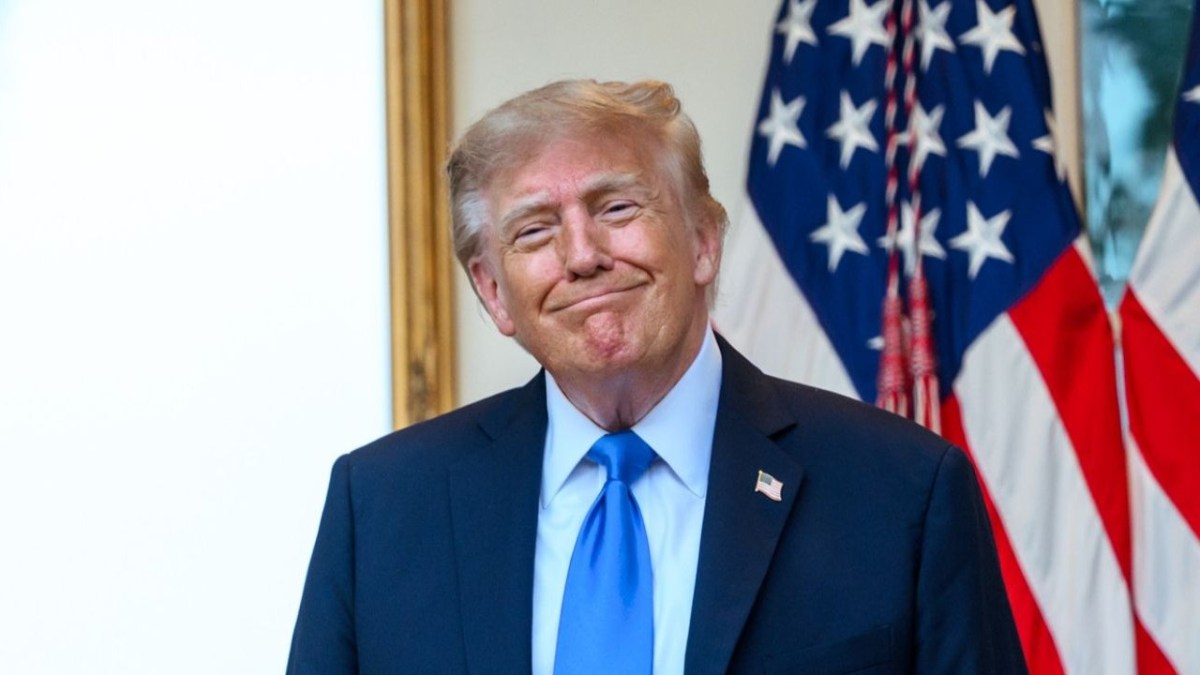
The announcement was made during von der Leyen’s annual State of the Union address in Strasbourg, France. Reuters reported that the proposal sparked intense debate regarding the future of international partnerships. When asked about it, Trump noted, “If it’s a good intention, that’s fine. If it’s a bad intention, we’ll put very heavy tariffs on Europe, which is a possibility.” He further characterized the proposal as “laughable” while en route to an event in North Carolina.
In his speech at the event, Canadian Prime Minister Mark Carney was reportedly vocal about his desire to deepen the relationship between his country and the European Union. He lauded von der Leyen, saying, “Europe and Canada are each strong. Europe and Canada are even stronger together,” he stated. He also addressed the skepticism surrounding the terminology, telling reporters that the substance of an agreement is more important than the specific title assigned to it.
Scrambling defenses against a common struggle
Per the outlets, Canada is currently navigating a difficult trade war with the United States. Carney has frequently highlighted the need for unity. Earlier this year, while in Davos, he noted the importance of middle powers uniting in the face of global instability. “We do not seek power to dominate others. On the contrary, we are pursuing resilience, so that no one can control our open markets, impair our sovereignty, threaten our territorial integrity, or undermine our freedoms, our democracies, our rule of law.”
When asked about Trump’s threats, the Prime Minister remained firm. “Canadians are united that nobody is going to tell us what language we speak. No one is going to dictate our culture or with whom we can strike agreements internationally,” he added, per CNN.
Not all reactions within the European Union, however, have been supportive. Several diplomats have expressed surprise, with some suggesting that the proposal was never discussed with member states before it was announced. According to POLITICO, French Foreign Affairs Minister Jean-Noël Barrot noted that the offer would need to be thoroughly debated and analyzed by individual capitals before a formal position could be taken.
Meanwhile, others have taken a more defiant stance against external pressure. Kathleen Van Brempt, the Belgian vice chair of the European Parliament’s trade committee, reportedly stated, “Trump has no veto over our future. We will not be pressured into abandoning that cooperation.”
CNN reported that Canada remains divided over this proposal. Recent data from Abacus Data suggests a significant portion of the population supports deeper cooperation. However, there is also concern regarding sovereignty and the potential for further isolation from the United States.
The European Commission has been working to clarify its position in light of these threats. Per POLITICO, the Commission entered damage-control mode, with Deputy Chief Spokesperson Olof Gill emphasizing that the plan is “not against anyone else, but for our common strength.” Despite these assurances, the concept of an associate member remains legally undefined within the existing EU framework.
Tinatin Akhvlediani, head of EU enlargement at the Center for European Policy Studies, noted that “associate membership does not exist.” While some nations have association agreements, these typically require alignment with the bloc’s laws, which is a path Canada has not indicated it wishes to take.
As it stands, the path forward for this unique alliance is unclear. Whether the European Union can reach the required unanimity to move forward with such a precedent-setting partnership remains a significant hurdle.







Published: Sep 18, 2026 08:57 am