



Grassroots groups blocked or delayed at least 75 data center projects worth about $130 billion in the first three months of 2026, according to data from Data Center Watch, cited by The Guardian.
Monterey Park, a small city east of Los Angeles, is among the places that pushed back and won. Prince William County in Virginia and Wake County in North Carolina are also among the communities that stopped or slowed plans.
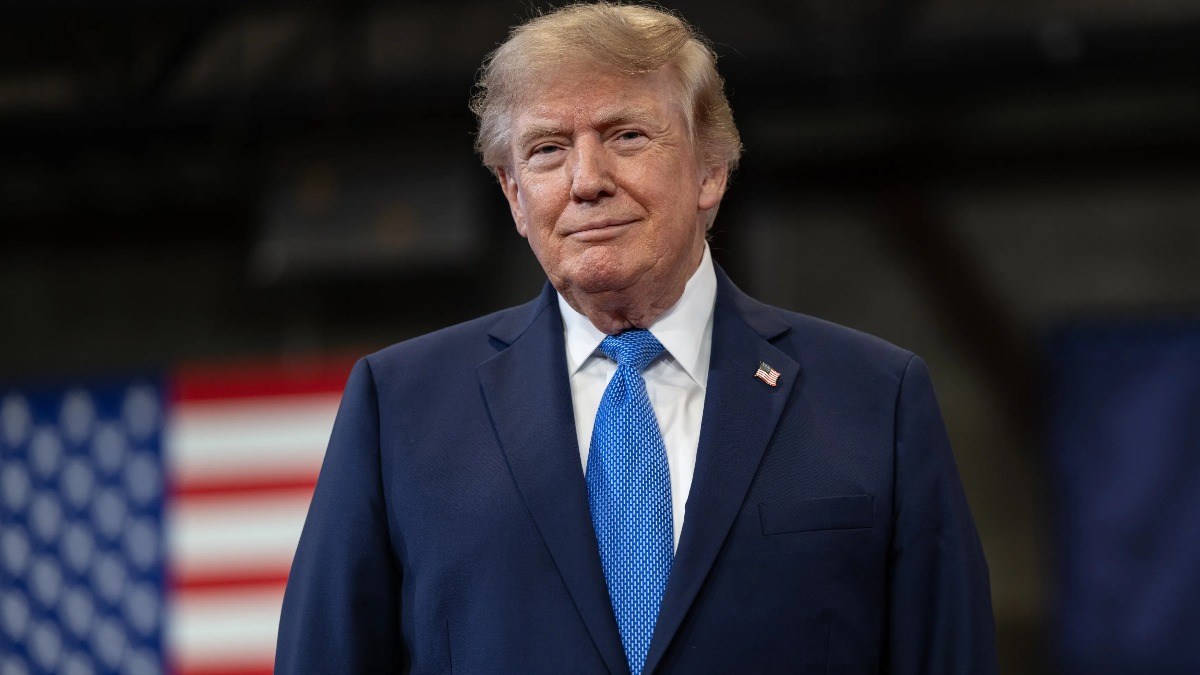
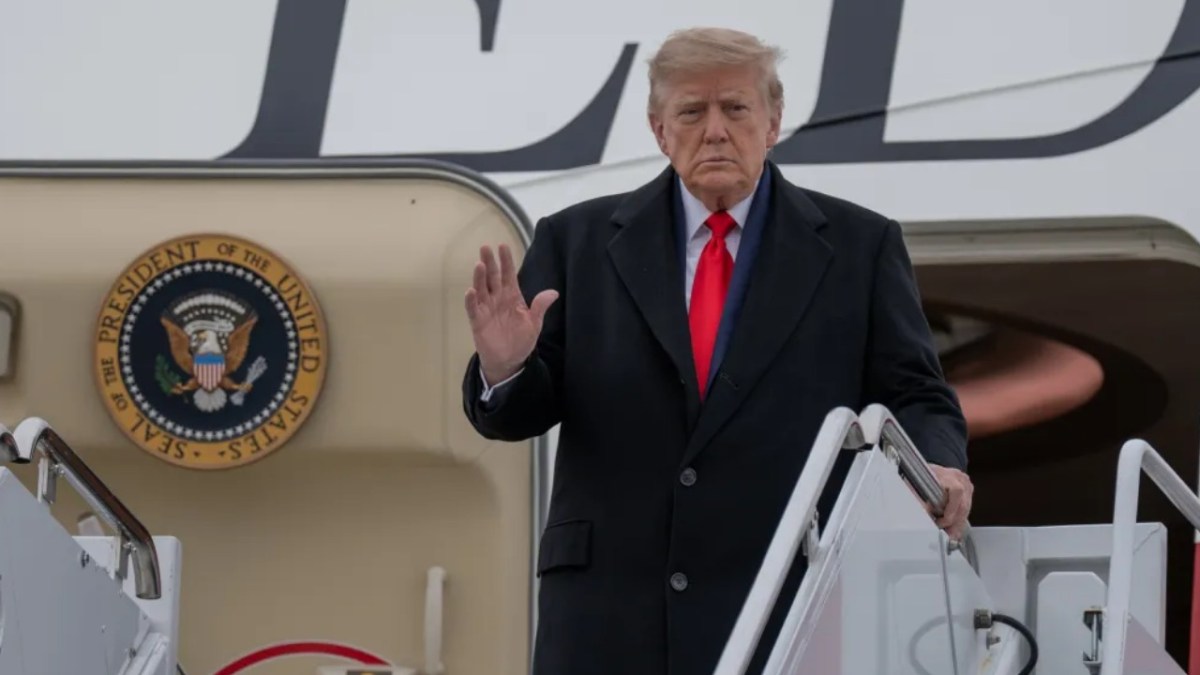
President Donald Trump answered that resistance in a Truth Social post. He wrote that the only reason communities throughout the U.S.A. should not want data centers is if they want to “end up being backwards and poor.”
Vance links most data center backlash to higher electricity bills
In his Truth Social post, Trump wrote that communities that want to be successful and rich, with far lower taxes and jobs all over the place, should “let Data Reign.” He said plenty of other places want the sites. He warned that if the projects are stopped, people “will only have yourselves to blame.” Trump also said China could not be happier with the anti data center movement and that Chinese officials “can’t believe it is happening!”
Some users answered him on Truth Social with worries about farms and water. One user wrote, “Mr. President: Think about farm land and about water resources, and a man as intelligent as you will see that the absolute position you are taking is flawed.” The same user added, “What use is being rich if you cannot get access to water and food?”
Vice President JD Vance spoke with reporters on an airfield at Joint Base Andrews in Maryland after Trump’s post. A reporter asked how the message that Americans should get on board with more data centers would land ahead of the midterms, where the issue has become a touchpoint in some areas.
Vance said data centers are an “important part of the AI economy.” He said builders have to put up power plants along with the data centers. He said he thinks “probably 99% of the backlash to data centers has come in areas where building a data center means higher utility and higher electricity for the people on the ground.” Such concerns have surfaced in specific cases, like when a Texas community lost 87 acres of donated parkland sold to a data center developer.
Vance said companies should use federal deregulatory efforts already in place. He stated, “If you build a data center, you should be putting power back into the grid, not taking it out.” He added that if that happens, he does not think the projects are that controversial. Vance said the problem starts “when the utility bills get so much higher.”
According to The Guardian, a recent poll found that three-quarters of Americans said they would oppose a data center next to their homes. More than six in 10 said they would strongly oppose that kind of plan.
Local critics have pointed to environmental harm, noise, and rising power bills. A coalition of more than 230 organizations last year urged Congress to halt new data centers, citing the climate crisis, drought in water-stressed areas, and higher electricity costs. Such opposition has emerged in Texas, where a farmer’s gift of 87 acres for a public park was later sold for $10 million to build a massive data center.



Published: Sep 1, 2026 10:06 am