


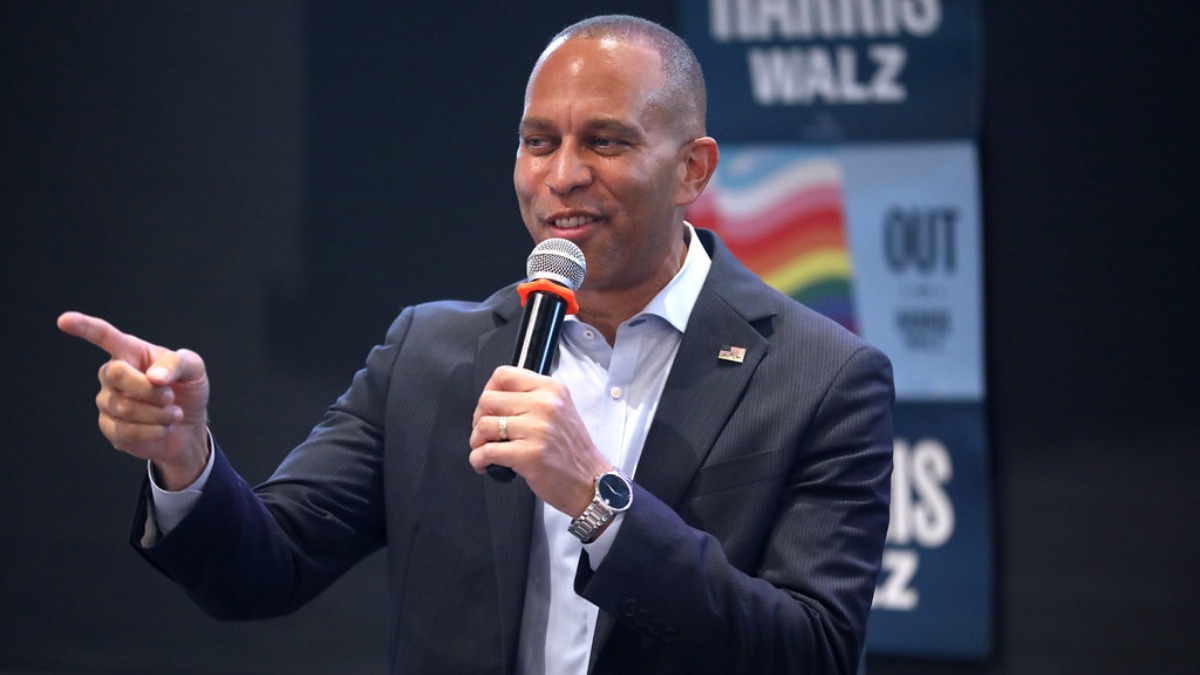

When the peace deal was initially announced, House Minority Leader Hakeem Jeffries expressed serious skepticism regarding the potential for a lasting peace deal between the United States and Iran. The veteran Democrat pointed toward a history of unfulfilled promises and past diplomatic decisions that he believes have complicated the current landscape.
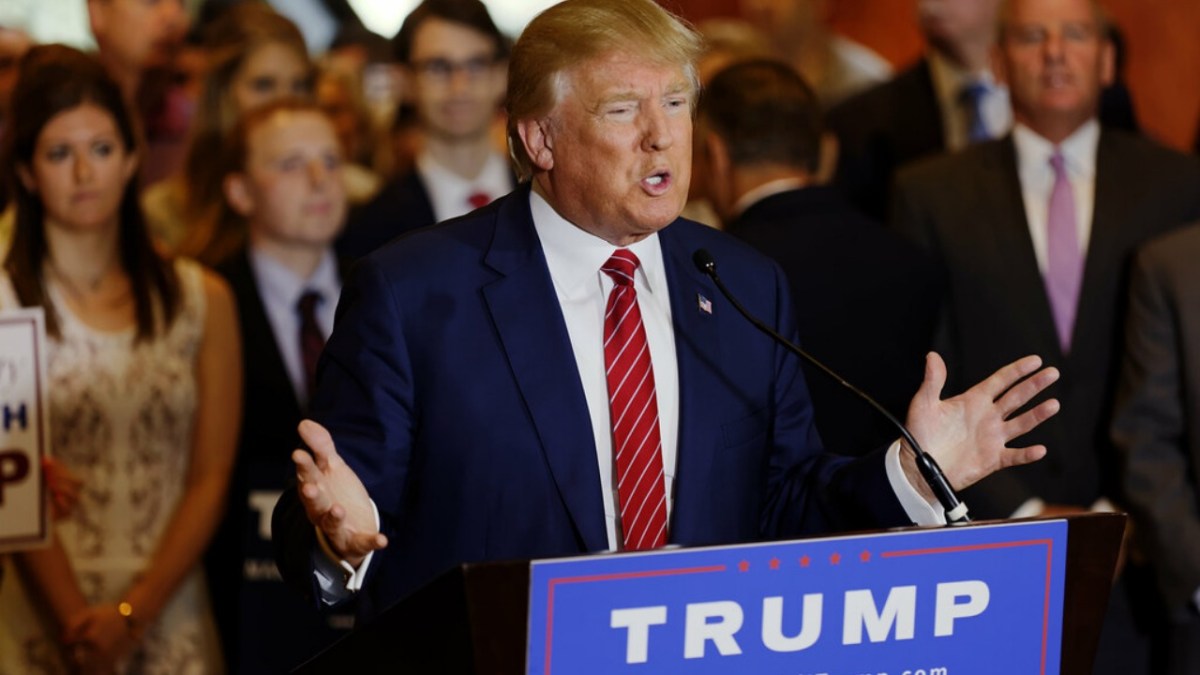
According to The Hill, Jeffries shared his doubts during an appearance on NBC News’s “Meet the Press.” He said, “Donald Trump has now said 38 or 39 different times during the course of this war that it was about to come to an end and an agreement was about to be reached. And that has never happened,” Jeffries told Kristen Welker. He argued that the ongoing conflict has been a total disaster and claimed that Iran has actually emerged stronger during this period.
Despite his doubts, Al Jazeera reported later in the day that Iran and the United States had officially agreed to a memorandum of understanding, designed to end more than 100 days of active conflict. Tehran has stated that this agreement includes Lebanon, which has faced significant military pressure since March 2. The memorandum, which was mediated by Pakistan and Qatar, is set to be formally signed in Geneva on Friday, June 19.
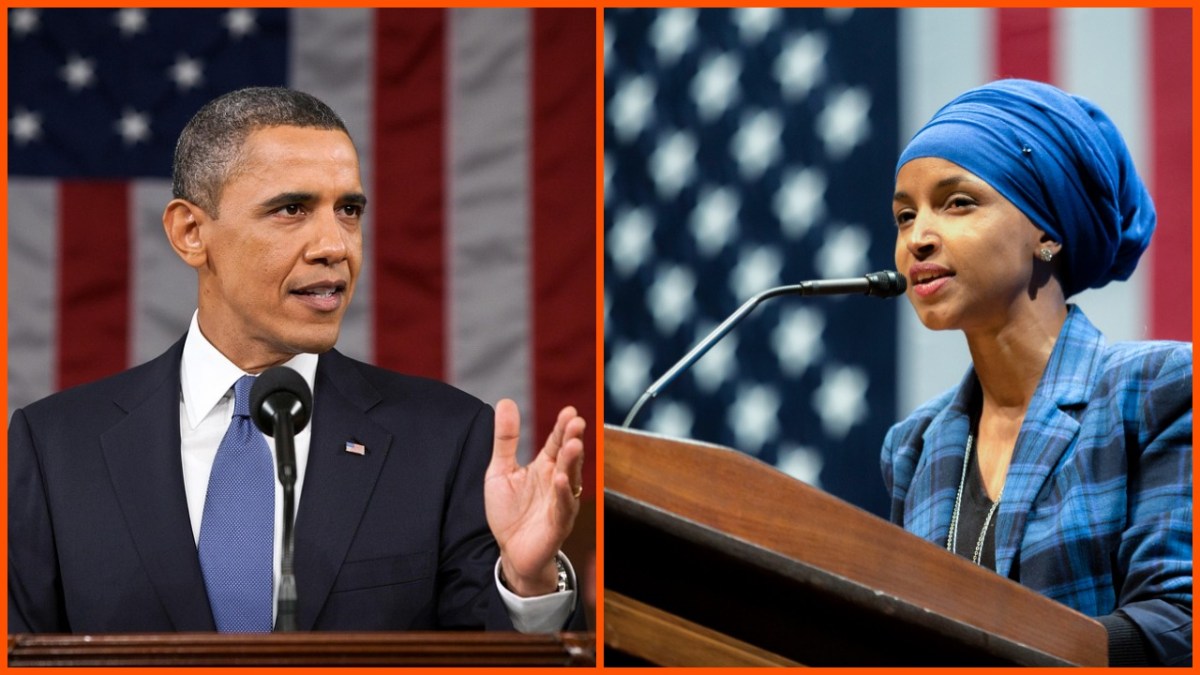
Jeffries noted that Obama’s deal included other countries
Based on his reported comments, Jeffries has been critical of the path that led to these current negotiations. He pointed back to the Joint Comprehensive Plan of Action, which was established by the Obama administration in 2015 to contain Iran’s nuclear program.
“It was Donald Trump who made the decision to actually rip that agreement up because, apparently, he suffers from Obama derangement syndrome,” Jeffries said. He noted that the original agreement had successfully brought nations like Great Britain, France, Germany, South Korea, India, Japan, China, and Russia into a framework to limit Iran’s nuclear aspirations.
Al Jazeera noted that the mechanics of the new deal are broad in scope. Trump announced that the Strait of Hormuz, which has been under a de facto Iranian blockade, will be opened to all shipping on Friday. Simultaneously, Tehran has indicated that the United States naval blockade on its ports will be lifted.
The outlet stated that the secretariat of Iran’s Supreme National Security Council issued a statement confirming the agreement. “Based on the agreements reached, the war and military operations on all fronts, including Lebanon, will end immediately and permanently as of tonight, and in addition, the naval blockade against Iran will end immediately and completely.” The Iranian government also confirmed that the official signing will take place on June 19.
The administration is reportedly touting this as a win, but the path to this point has been turbulent. Pakistani Prime Minister Shehbaz Sharif, who acted as a key mediator, was the first to announce the breakthrough on X.
Iranian news agency Mehr reported that the draft agreement is said to contain 14 points. This includes a permanent cessation of hostilities, a commitment for the United States to withdraw forces from around Iran, and the release of $24 billion in frozen Iranian assets.
Per the outlet, Vice President JD Vance defended the administration’s approach, suggesting that this ceasefire could usher in a new era for the region. “What the president has done is create the real space to transform that region,” Vance said in an interview with Fox News. He expressed confidence that Iran would never possess a nuclear weapon under this framework.
Despite the optimism from the White House, The Hill reported that the situation on the ground remains complex. Recent airstrikes in Beirut and rocket fire into northern Israel had previously threatened to derail the progress. Defense Secretary Pete Hegseth noted on CBS News’s “Face the Nation” that the administration was aware of these escalations but insisted that they would not disrupt the deal. “So, I don’t expect that to disrupt,” Hegseth added.
As the June 19 signing date approaches, technical talks are expected to continue throughout the week to lay the foundation for the final ceremony in Switzerland.







Published: Jun 16, 2026 04:43 am