


Secretary of State Marco Rubio is confident that a breakthrough in the conflict with Iran is just around the corner. Speaking from India’s capital, Rubio defended the administration’s current diplomatic strategy, even as it faces intense scrutiny from high-profile voices within the GOP. Per The Washington Post, Rubio noted he expects “some good news” in the coming hours regarding a potential peace deal.
President Donald Trump has stated that a deal is “largely negotiated,” but the path has been rough. The proposal reportedly involves a multi-stage framework. PBS reported that this structure includes an official declaration of the war’s end, a two-month window for negotiations regarding Iran’s nuclear program, and a complete reopening of the Strait of Hormuz, which normally facilitates 20 percent of the world’s oil and natural gas transit.
Both Iranian officials and hardline American critics are skeptical, however. While Trump maintains that negotiations are “proceeding in an orderly and constructive manner,” Fars, an agency associated with the Islamic Revolutionary Guard Corps, has described the deal as “incomplete and inconsistent with reality.” Tehran continues to insist that the Strait of Hormuz remains under its own monopoly and discretion, directly contradicting Trump’s goal.
This is a call and response we have been hearing since February
This friction has created a complex political headache for the President. Within the United States, the potential agreement has splintered the MAGA movement. Critics like former Secretary of State Mike Pompeo and Senator Lindsey Graham have taken to X to voice their concerns.
Pompeo argued that the emerging framework appears to be an agreement to “pay the IRGC to build a WMD program and terrorize the world.” Senator Graham suggested that such a deal could make Iran “more powerful over time.”
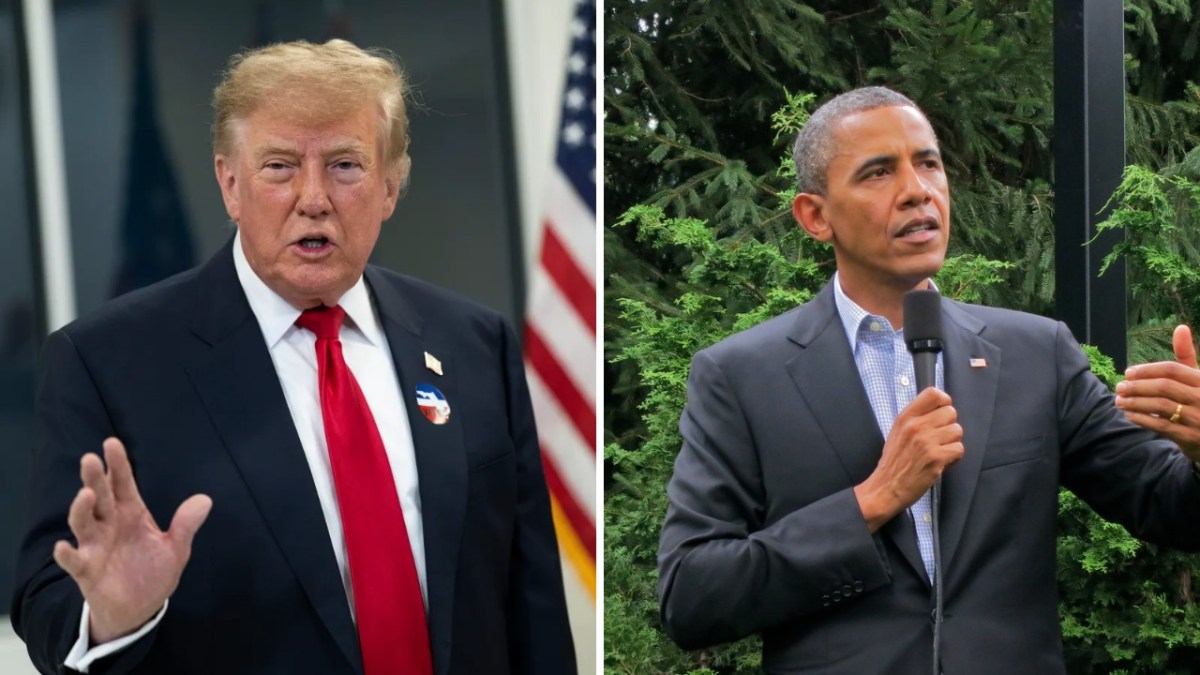
The President has bristled at these comparisons to the 2015 nuclear deal, which he withdrew from during his first term. As noted in Newsweek, Trump described the current negotiations as the “exact opposite” of the Obama-era agreement, insisting that the current transaction is not a path to a nuclear-armed Iran.
Despite these assurances, the reported inclusion of a 60-day ceasefire window to address nuclear concerns has sparked alarm among senior Republicans. Senator Roger Wicker is one senator who reacted strongly, posting that the belief in Iran engaging in good faith would be a “disaster.”
The diplomatic landscape is further complicated by the involvement of regional mediators, particularly Pakistan. Pakistani officials have been working to bridge the gap between Washington and Tehran, with military leadership holding direct talks in the Iranian capital.
While the administration views this as a path to stability, the reality on the ground remains volatile. Iran has maintained that it will not abandon its allies, including Hezbollah, and has explicitly stated that sanctions relief remains a fixed requirement for any final agreement.
There is also a strange, behind-the-scenes element to these negotiations that, if true, presents a concerning picture for the American public. According to Iran International, which cites the IRGC-affiliated Fars News Agency, U.S. officials and mediators have allegedly told Tehran to ignore the President’s public social media posts.
The report claims that his messages are intended for domestic audiences, with the suggestion that private negotiations are far more pragmatic than the public rhetoric suggests. While this report is unverified and originates from a local outlet, it highlights the deep disconnect between the administration’s public-facing stance and the high-stakes, opaque nature of the discussions currently underway.
As both sides weigh their next moves, the global economy continues to watch the price of oil, which has soared throughout the conflict, waiting to see if these negotiations will truly bring the relief that the administration is promising.


Published: May 25, 2026 10:59 am