


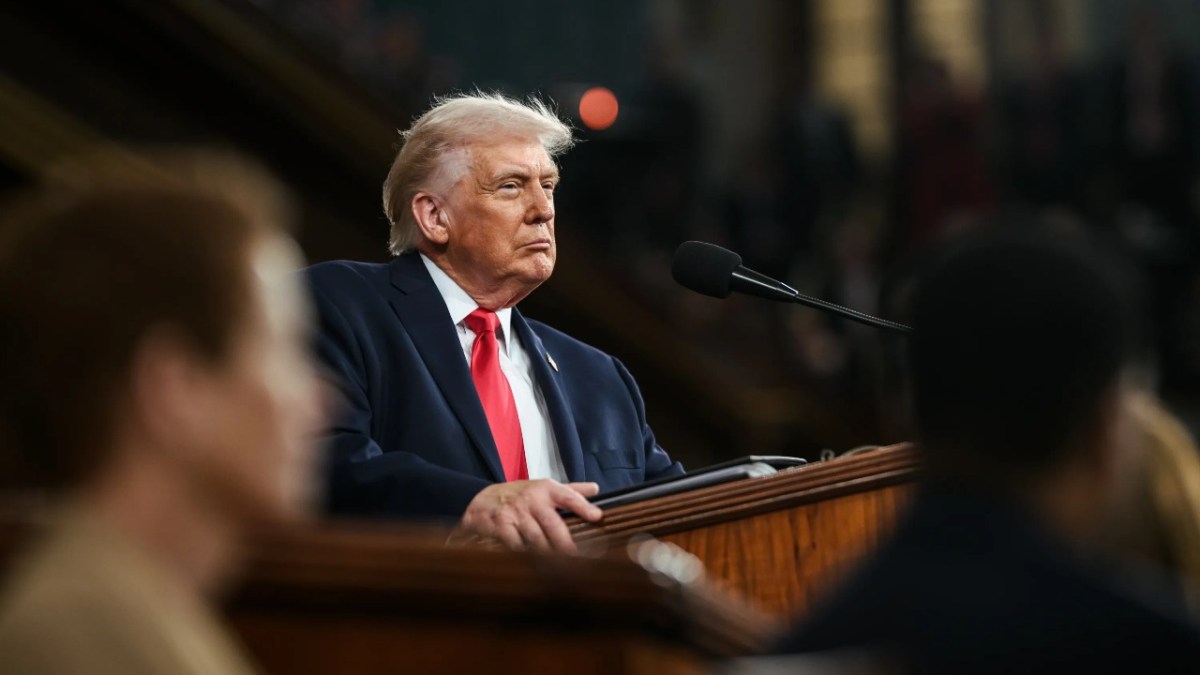

Greenland’s government has pushed back on President Donald Trump’s claim that massive oil, gas and mineral exploration is about to begin in the Arctic territory. They have asserted that the scale of activity on the ground is nowhere near what he has suggested.
Deputy mining minister Jørgen Hammeken-Holm told CNN that American companies are active in Greenland, but described large-scale exploration as a distant prospect. There are smaller projects underway, he acknowledged, but turning those into something much bigger could take years.
That is a rather different picture from the one Trump has been painting as he continues to highlight Greenland’s natural resources and its strategic importance to the United States. His comments have also raised questions about what American companies can actually do there, given the restrictions and practical difficulties involved.
Building the mining facilities would require enormous investment
Denmark’s Foreign Ministry has stressed that resource exploration must follow Greenlandic law. The tripartite agreement involving the United States, Denmark and Greenland does not give American companies exclusive access to the territory’s resources, nor does it put them ahead of other investors from NATO or the European Union.
And even if those legal questions were settled, getting projects off the ground would be difficult. About 80% of Greenland is covered by a thick ice sheet, while many mineral deposits lie in remote areas with little or no road access, deep-water ports or reliable power infrastructure. Building the facilities needed to extract those resources would require enormous investment, specialist equipment and years of work.
Trump has repeatedly floated the idea of taking control of Greenland, putting further strain on relations with Denmark and other NATO allies. During his presidential transition, he refused to rule out using military force to acquire the territory. He later argued that the media had exaggerated his intentions, saying he had “complained about it very strongly to NATO.”
The White House, meanwhile, has continued to make the case for Greenland’s strategic value. An official told CNN that “energy security is national security,” describing access to the territory’s resources as a potential long-term gain for the United States.
Still, the question of what Washington has actually secured remains unresolved. An updated 1951 defense treaty, reportedly signed last month, recognizes Denmark’s sovereignty and Greenlanders’ right to self-determination. Trump has described the deal as giving the United States “permanent control,” but the published text does not appear to support that claim.
The agreement does not specificaly grant the US control over Greenland’s reserves
The agreement covers broader economic cooperation and American military access, including measures to address potential threats such as missiles and drones. It does not specifically grant the United States control over Greenland’s oil and gas reserves.
For Greenland, the distinction matters. American companies may be interested in its resources, and Washington may see the territory as strategically important, but neither guarantees that large-scale exploration is around the corner. For now, the government’s message is that there is a considerable gap between the interest being expressed and what can realistically be done.




Published: Oct 15, 2026 10:30 am