


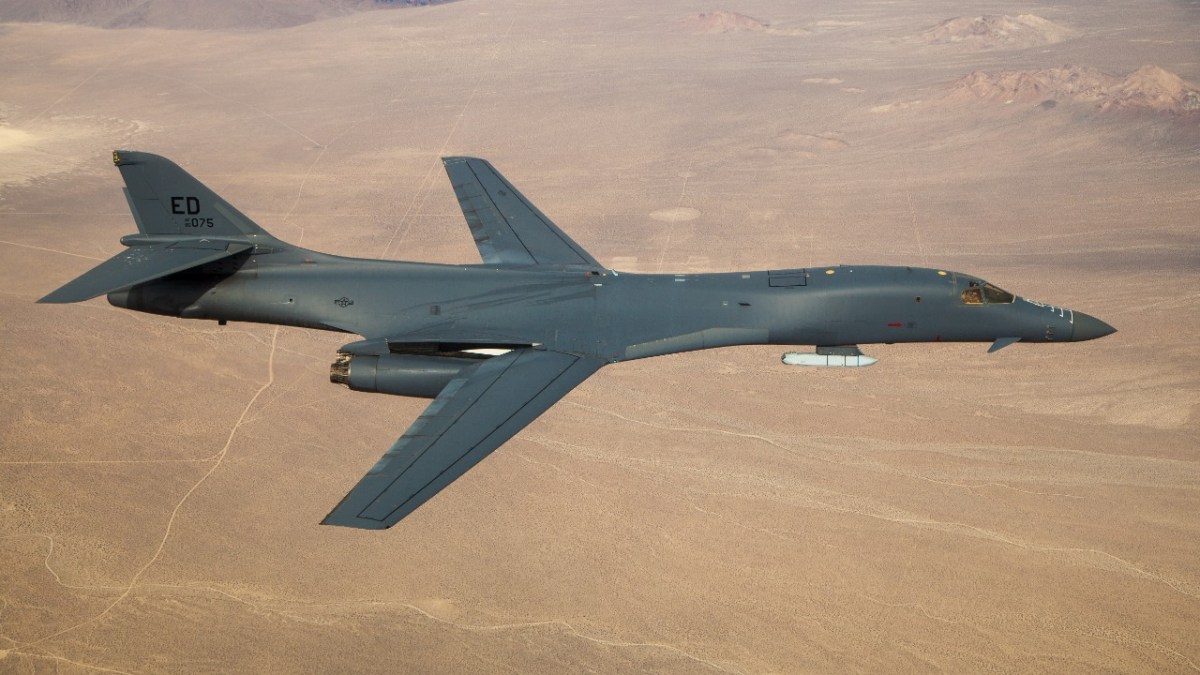

The United States has moved all of its B-1 bombers out of R.A.F. Fairford in southern England. The rapid withdrawal occurred this past weekend after intelligence reports of a new threat against the installation. The New York Times noted that the move is an incredibly rare occurrence for an allied air base in a peacetime country, signaling the seriousness of the situation.
According to The New York Times, the decision to pull the planes was made with such urgency that some crews departed while aerial refueling aircraft were still being scrambled to support the long journey back to the United States. At least three of the bombers had already reached their home base in South Dakota by Sunday. While the Pentagon’s European Command confirmed the departure, they declined to comment on the specific nature of the threats.
A statement from the command reportedly noted, “We can acknowledge now that all U.S. bombers that were deployed to R.A.F. Fairford are redeploying to their home stations in the United States,” adding that “U.S. Air Force bombers routinely operate around the world to support global force readiness and operational requirements.”
An internationally significant strategic move
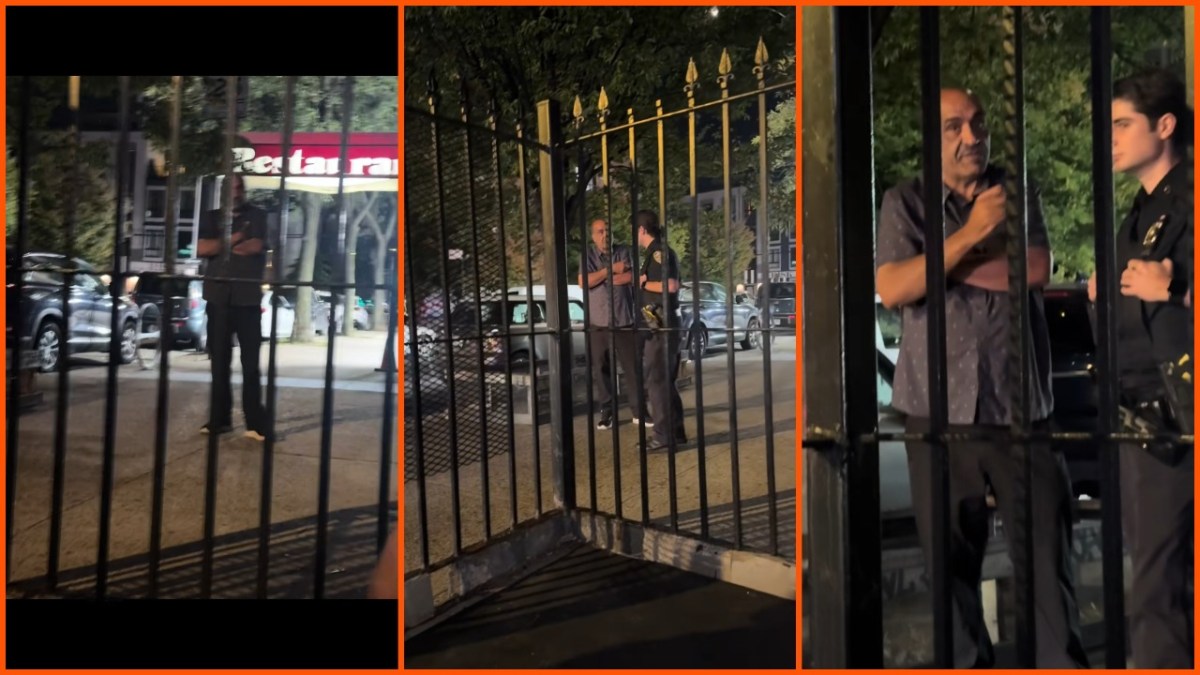
This development comes just one week after a significant security incident near the base. Per CNN, British police arrested five men on September 27 who were traveling in white vans near the airbase, though they were later released on bail after no explosives were found. An additional arrest was made on Thursday involving a 25-year-old British-Iranian dual national.
According to the BBC, Whitehall officials stated that “there is an ongoing high tempo of threat from Iran to the UK, and it’s logical that US airbases would be pretty high on any targeting list.” Prime Minister Andy Burnham stated last week that there are “strong indications” Iran played a part in the incidents near the base. Despite these accusations, Iran has denied any involvement and has described the claims as baseless.
The new information that triggered the pullout is reportedly linked to threat warnings that first surfaced three weeks ago. However, the specific details that emerged recently seem to have alarmed commanders and triggered a sense of urgency.
One U.S. official described the latest threat as a “real world incident.” The outlet noted that it is highly unusual for the U.S. military to pull assets all the way back to their home stations rather than shifting them to another regional base, which further underscores the gravity of the intelligence.
The base at R.A.F. Fairford has been a critical location for U.S. operations, per the BBC. Over the past few months, it has been used to deploy bombers against Iran. Many of the B-1 bombers stationed there were equipped with precision-guided bunker-busting bombs, which are designed to penetrate hardened or buried targets.
These are similar to the bombers used to target Iran’s nuclear sites last year, which Trump used as failed negotiation leverage before the Iran conflict. Each mission to Iran from R.A.F. Fairford typically required 12 to 15 hours of flight time.
U.S. Secretary of State Marco Rubio downplayed the connection between the bomber withdrawal and the specific plot. He told reporters on Monday, “The only reason why you guys are focused on how many planes are at Fairford is because of the threat that happened last week.”
He further noted, “But it’s not unusual to see rotations happen and movement of assets to different parts of the world based on exercises, redeployments, people changing out and new people coming in, new planes coming in, old planes going out.”
Previously, Rubio had slightly different comments regarding the potentially foiled plot at RAF Fairford. CNN noted that he had said, “I think it ties us to the reality here. We are dealing with elements in the world, and in the case of Iran for example, who have openly threatened to attack American interests globally.”
According to the BBC, for residents living near R.A.F. Fairford, the departure of the aircraft brought a sense of relief. Some villagers reported feeling increasingly vulnerable due to the recent activity and the noise levels associated with the deployment. One resident described seeing the planes leave “one, after another, after another” on Sunday.
The outlet noted that the U.S. maintains that it can conduct missions globally from the continental United States. However, the loss of R.A.F. Fairford as a forward operating location is still a notable change. BBC reported that Ezra Cohen, a former defense official, called the withdrawal a “prudent decision,” noting that the B-1 is a unique, strategic asset that the military must take steps to protect.
He reportedly added that the relocation “raises the cost of striking Iran,” as aircraft will now be forced to fly from much farther distances.








Published: Oct 6, 2026 10:29 am