


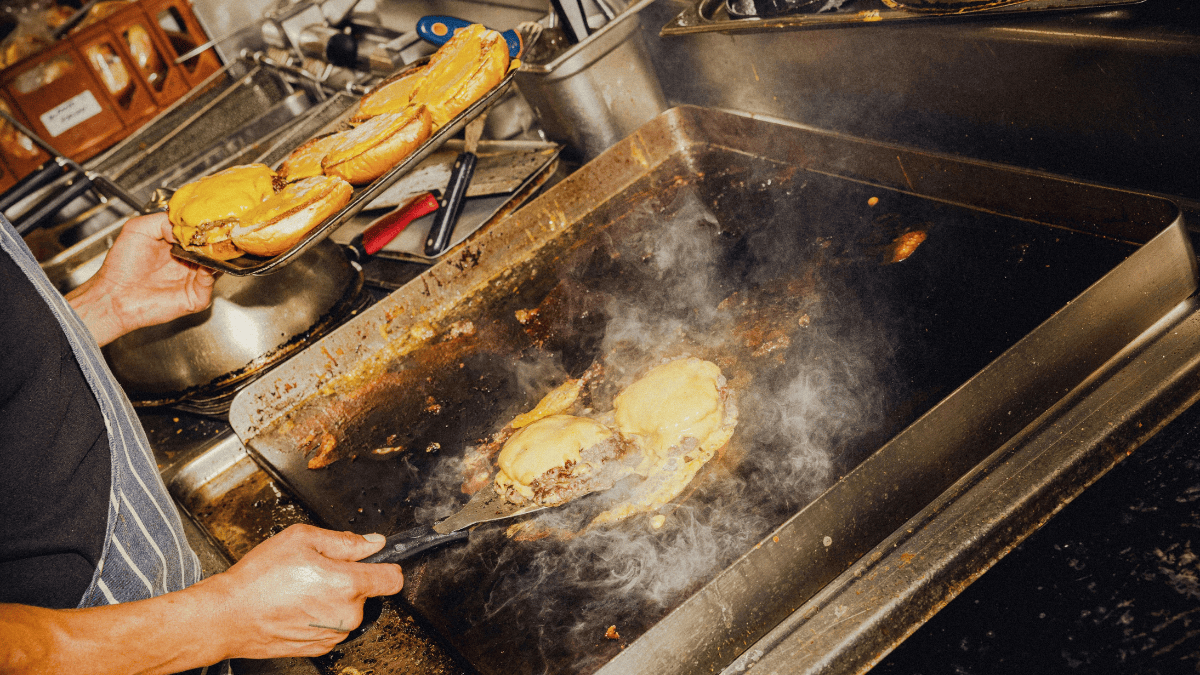

In a major federal law enforcement crackdown that shows just how much the meaning of “garbage” has changed, federal prosecutors from the Department of Justice have dismantled a sophisticated, multi-state criminal operation.
Most organized criminal groups tend to go after things like luxury goods, drugs, or cash. This one had a very different target: used cooking oil collected from restaurants.
According to The Conversation, federal prosecutors announced that 19 defendants face serious federal charges following an investigation into a large oil-theft network.
Recycled cooking oil can sometimes cost more than newly produced vegetable oil
Two New York men, both Chinese nationals, have already pleaded guilty to their involvement in the conspiracy. The other 17 defendants are scheduled to stand trial in April 2027.
According to prosecutors, the operation had many of the familiar features of an organized criminal network. The group used warehouses to store the stolen oil and moved large quantities of it across state lines.
The actual thefts were fairly simple. Members of the group would drive commercial trucks to restaurants across 10 states, usually at night. They then used heavy-duty siphoning equipment to drain used cooking oil from outdoor collection tanks.
The stolen oil was transported to industrial facilities where it could be resold.
The reason anyone would go to this much trouble is money. Used cooking oil, sometimes called “yellow grease” in the recycling industry, has become a valuable commodity because it can be processed into biodiesel and sustainable aviation fuel.
Not that long ago, restaurant owners generally had to pay someone to take the stuff away. Now, that same waste can be sold for a decent amount of money.
The case also touches on an idea that has become increasingly important in the study of waste: discard studies. As countries try to reduce their dependence on fossil fuels, environmental policies have created financial incentives for businesses to find new uses for materials that were once considered worthless.
Recycled cooking oil is one example. Because biodiesel made from recycled oil can qualify for federal subsidies, demand has pushed the value of used cooking oil high enough that it can sometimes cost more than newly produced vegetable oil.
That creates an obvious problem. Once something people used to throw away becomes valuable, someone will eventually try to steal it.
It can also create other opportunities for fraud. Cheap virgin oil can potentially be mixed into recycled batches, for example, allowing companies or individuals to take advantage of subsidy programs.
There is something almost strange about the entire situation. The 19 defendants accused in this case weren’t stealing gold or expensive electronics. They were stealing restaurant grease.
Used restaurant grease is not just waste anymore
They didn’t need to change the chemical properties of the oil. They simply recognized that something everyone else considered waste had become worth stealing.
The case is a reminder that recycling and the push toward a more circular economy can create new problems alongside the benefits. Once waste gets a price tag, it stops being just waste.
And sometimes, apparently, it becomes valuable enough to build a criminal operation around.







Published: Oct 1, 2026 10:20 am