


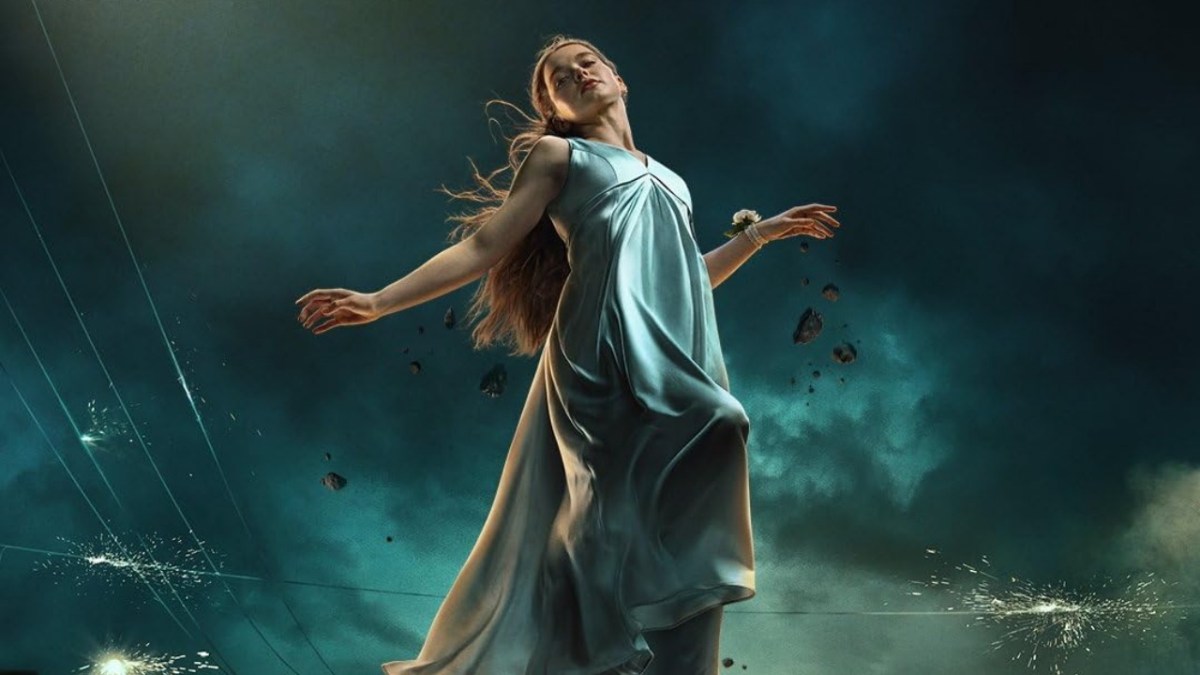

Carrie was written over 50 years ago, but the story is still incredibly relevant in today’s world. In case you somehow weren’t aware, horror maestro Mike Flanagan recently gave fans of the story his updated take on Stephen King’s story in the form of an eight-part Amazon Prime series, and it’s pretty good. Unfortunately, the show falls into the same trap as all of the previous adaptations, and it proves that Hollywood is still too scared to give us a book-accurate Carrie.
While Summer H. Howell undoubtedly gives a fantastic performance as the titular character, her version of the character is a far cry from her book counterpart. While book Carrie is described as a “chunky girl” with pimples and greasy hair, Flanagan’s version (much like all the adaptations before it) features a conventionally attractive, skinny girl with flawless skin.
If you’re a fan of the story, you’ve no doubt already noticed the discrepancy between how Carrie is described in the book and how she is portrayed on-screen. But it’s not just her appearance that the adaptations change; to a certain extent, the screen versions of her are all stripped of defining characteristics and personality traits that are important to the message King was trying to convey.
Carrie is not as innocent as the adaptations present her to be
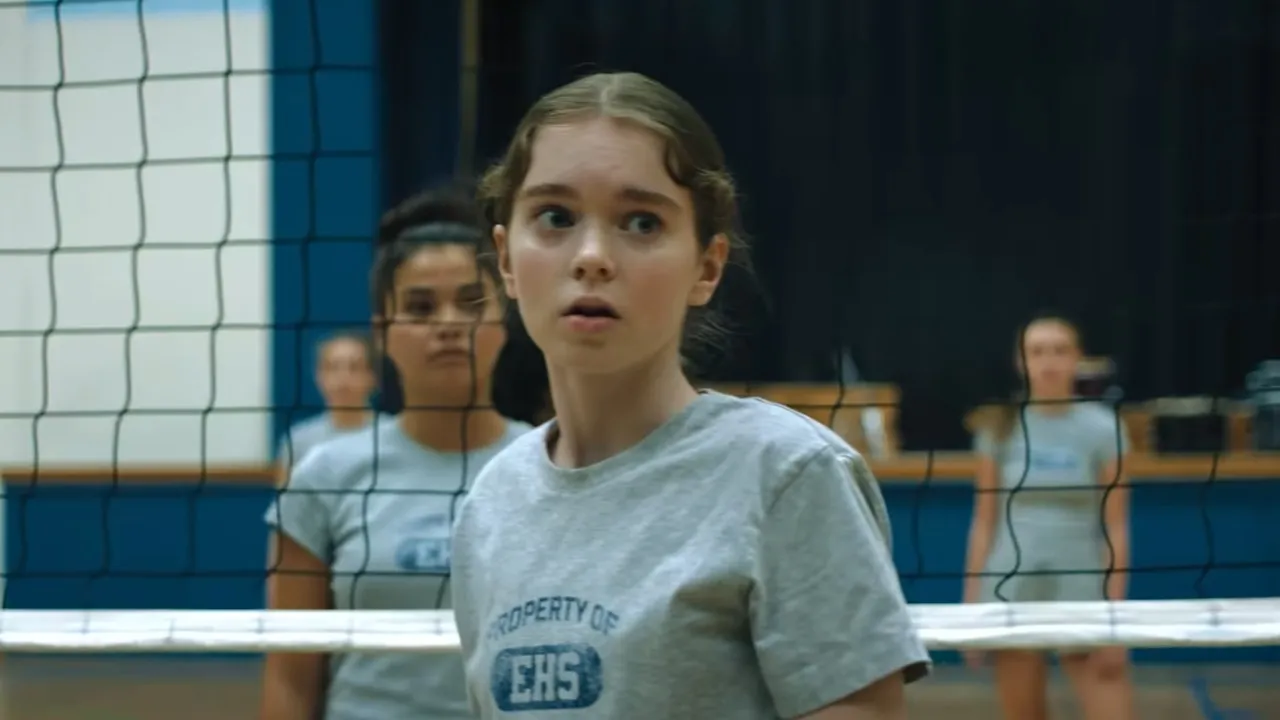
Hollywood is definitely afraid of giving plus-size characters, or really any characters that don’t fit its narrow definition of “attractive,” a chance as the lead. But Hollywood is also afraid of giving audiences a morally dubious or unsympathetic character, and that’s what Carrie is in the book. She’s abrasive, and at times, almost as fanatical as her mother.
But that’s the point; Carrie is supposed to be hard to root for. It’s easy to look at Summer H. Howell, or Angela Bettis, or Sissy Spacek as Carrie and say, “I would be nice to her.”
Every time Hollywood gives us an adaptation of this story, they’re too afraid to risk challenging us with a version of the character who might not resonate with every single person watching. Instead, the character is watered down, and the sharp edges are rounded out until there’s nothing of that original character left.
Mike Flanagan’s series misses the point of the character
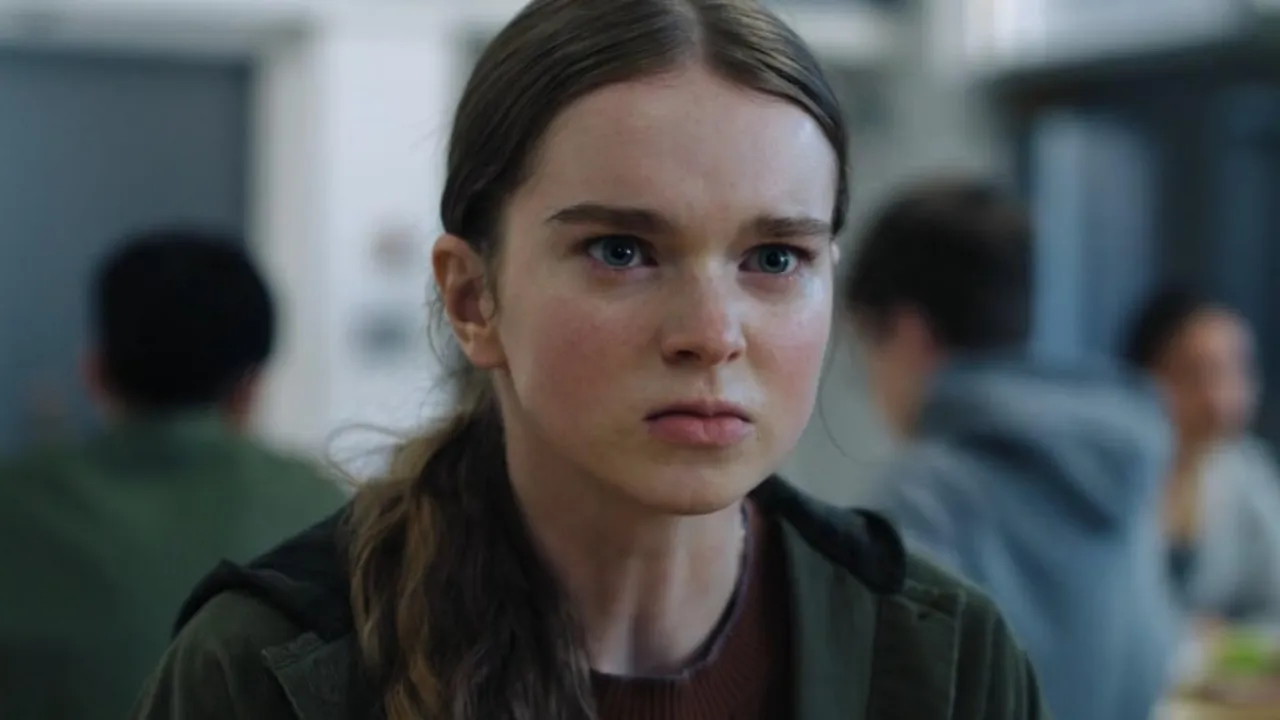
Every adaptation of King’s book is guilty of this; it’s not just Flanagan’s. But this newest version might be the worst example. New Carrie is kind to a fault; it seems as though the creatives behind the show were so scared of audiences not liking her that they removed anything that could be interpreted as edginess or any hint that she could be capable of cruelty.
This creates a problem when it comes to the climax, and the way the show gets around that problem is by essentially taking Carrie’s most iconic and defining moment and partially giving it to a new character created exclusively for the show.
Look, Flanagan is a master of horror, so I don’t doubt he knows what he’s doing. Obviously, the show was intended to be a massive departure from the book, but as a fan of said book, I can’t help but be a little sour about it.
In the end, Carrie (2026) ends up feeling less like a horror story about a girl pushed to the breaking point by relentless bullying, and more like an inspirational superhero origin story. While that’s not necessarily a bad thing, it feels so far removed from the source material that it makes you wonder why they even called it Carrie in the first place.

Published: Oct 15, 2026 06:01 am