


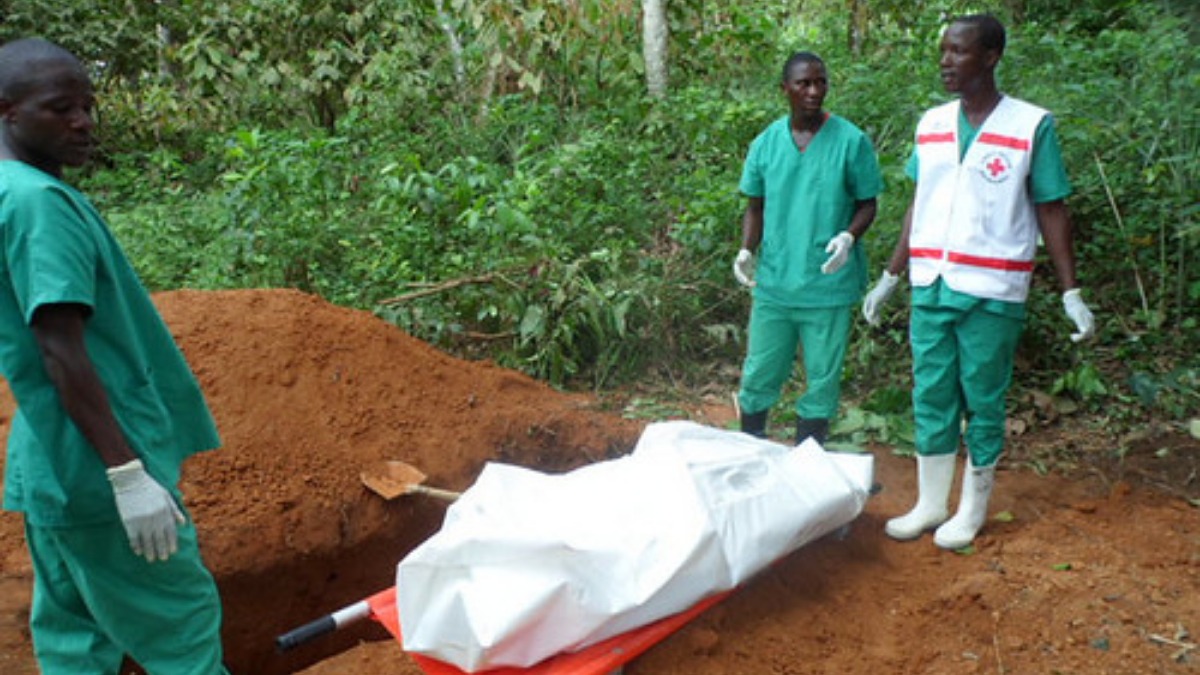

The Democratic Republic of Congo is facing an unprecedented problem in its fight against Ebola, one that is dramatically increasing the risk of transmission. Health facilities across the country are facing attacks where locals storm medical centers and set fire to isolation tents. It is complicating an already difficult public health response.
The situation has become increasingly volatile as local communities clash with health workers over strict burial protocols. The rules followed by centers are designed to prevent the virus from spreading. Still, they often directly conflict with long-standing cultural traditions where families say goodbye to their loved ones by touching the body.
According to Al Jazeera, the Rwampara health centre was stormed on Thursday by residents who were demanding the bodies of relatives who had died from the disease. This is a massive problem because, as the Congolese health minister Roger Kamba told Radio France Internationale, “The dead must not take others with them into the grave.” He urged the public to let authorities handle the burials safely to avoid further transmission.
The problem stems from superstition and mistrust
The tension spilled over into further violence on Friday night in the town of Mongbwalu. A tent provided by Doctors Without Borders, also known as MSF, was set on fire. Dr. Richard Lokudi, who serves as the director of the Mongbwalu hospital, noted that the attack caused panic among the staff.
Even worse, per the Express, the chaos led to 18 people with suspected Ebola infections fleeing the facility. In a nightmare situation for containment, these individuals are now unaccounted for.
Many locals are driven by deep-seated mistrust, fear, and rumors. Gloire Idriss, a resident of Rwampara, explained the local perspective by saying, “Some people here believe that Ebola is a business.”
He added that when medical teams refuse to release the bodies of the deceased, some people falsely assume that health providers are involved in organ trafficking. This misunderstanding creates a cycle of hostility that hinders the work of organizations like the Alliance for International Medical Action, or ALIMA.
ALIMA reported that tensions flared during the preparation of a body, leading to the destruction of two tents. The reality is that the work of burying victims is incredibly dangerous and is often managed by authorities who face constant protests from grieving families.
The clinical burial, while safe, comes with an emotional toll as families feel they are losing their final moments with loved ones. Lokana Jean of Mongbwalu explained that “When my daughter died of Ebola last month, the medical team came to bury her. We didn’t get to say our final goodbyes.
“It still upsets me that I had to watch her funeral helplessly without our cultural rites,” he said. He further explained, “Under normal circumstances, I would have held her close and felt her final warmth.”
The scale of the outbreak is evolving rapidly. Recent data from the Congolese Ministry of Public Health indicates that nearly 180 people have died, with close to 800 cases recorded. Furthermore, as surveillance expands, those numbers are expected to grow.
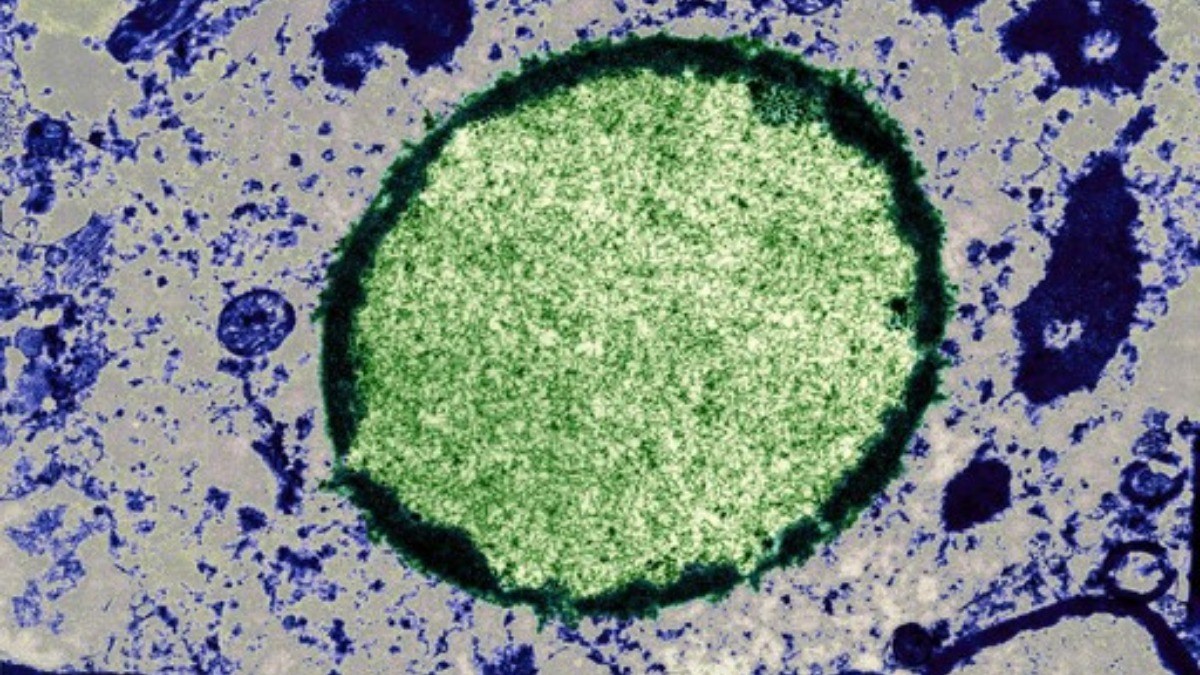
The Bundibugyo virus, a rare type of Ebola, went undetected for weeks in Ituri province because initial testing was focused on a more common strain. Currently, there is no available vaccine for this specific version of the virus. In the face of that, health experts are sounding the alarm about the consequences of this violence.
Dr. Rodriguez Kisando warned that when accurate information isn’t shared quickly, people believe anything, and that is when violence takes hold. The resultant attacks and patient escapes will only accelerate the spread of the disease.
With declining International aid, the Ebola response is struggling. An anonymous senior official in Rwampara stated that centers are being overwhelmed with new confirmed cases almost every day and that the available resources from the national treasury are simply not enough to meet the scale of the crisis.
The World Health Organization has responded to these developments by raising the risk level for the Congo to “very high.” While they maintain that the risk of global spread remains low, the regional impact is a major concern.
The Africa Centres for Disease Control and Prevention has placed ten countries, including South Sudan, Rwanda, and Angola, on high alert. Authorities in the DRC, Uganda, and South Sudan are now working to strengthen cross-border coordination, including better laboratory capacity and surveillance. All that is left to deal with is the mistrust.
It’s also a stark reminder of why it was so terrifying that police found samples of Ebola in an illegal Vegas lab. Combine that with the fact that DOGE cut funding for Ebola, and you end up with something objectively terrifying.




Published: May 25, 2026 01:40 pm