


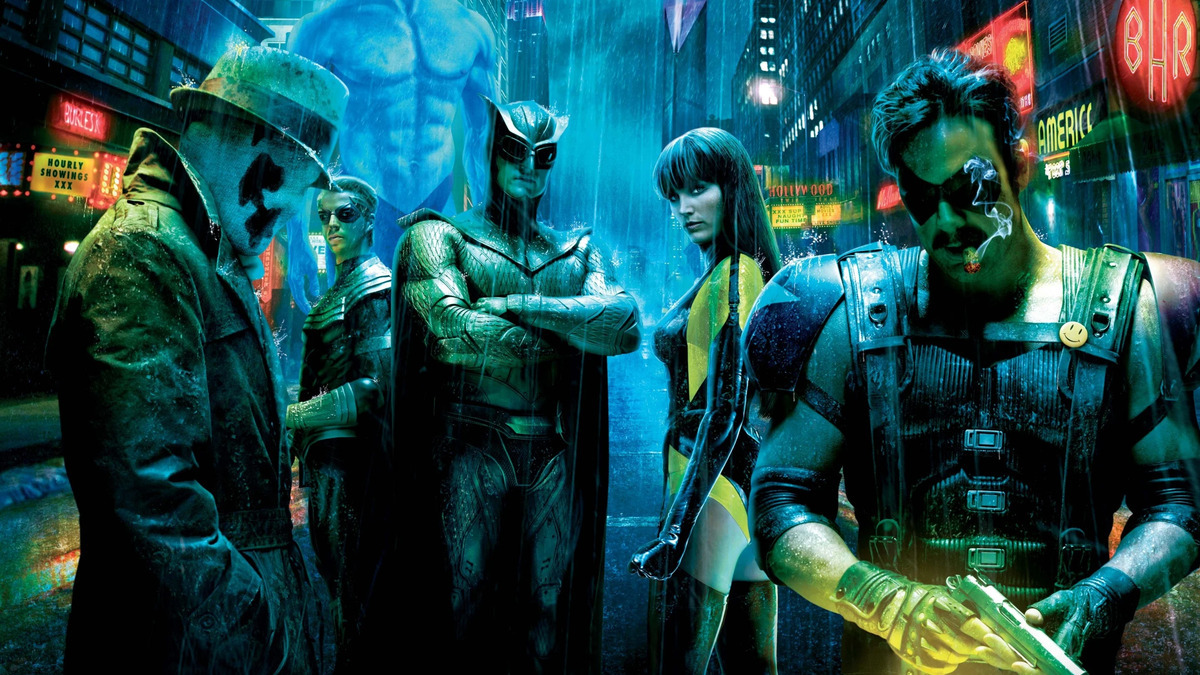

Aliens (1986)
In and of itself, Aliens is an outstanding achievement. It is a sequel to a massively successful genre film, and yet manages to be its own entity. It contains a lead female performance that is so strong, it generated one of the only Best Actress Academy Award nominations for science fiction and, in doing so, gave Sigourney Weaver her first Oscar nomination. The story picked up the tale of Ellen Ripley, but this time had her wake from hypersleep to the news that the planet where she faced the alien has been colonized, and all contact with the colonists has been lost. With James Cameron at the helm, Aliens proved to be another flawless action film.
But, in 1992, a special edition was released in which the director had restored seventeen minutes of footage. The footage involved scenes of ‘Newt’ – the young girl on the alien planet – and her family discovering the downed spacecraft that would ultimately spell their doom, Ripley receiving news of the her daughter’s death – the tragic loss having occurred while Ripley was in hyper-sleep – and a number of extended dialogue sequences. There is also a scene in which the space marines use armed sentry robots in their fight against the Xenomorphs.
Taken individually, these scenes range in quality. The scenes involving Newt and her family, while atmospheric, bring nothing to the process of building tension within the narrative. The scene in which Ripley learns of the death of her daughter is a powerful one, thanks to Sigourney Weaver’s intimidating performance, but it adds nothing that is necessary to a script that is otherwise tight and free of surplus material. In fact, it can be argued that its omission better serves the story by making the reason behind Ripley’s connection to Newt less obvious.
The only addition that brings something to the film is the space marines’ use of armed sentry robots. This is an effective scene that creates a great deal of tension, while keeping pace with the rest of the movie. Collectively, however, the seventeen additional minutes make the Aliens director’s cut of 1992 a lesser film than the original.





Published: Apr 20, 2015 01:45 pm