


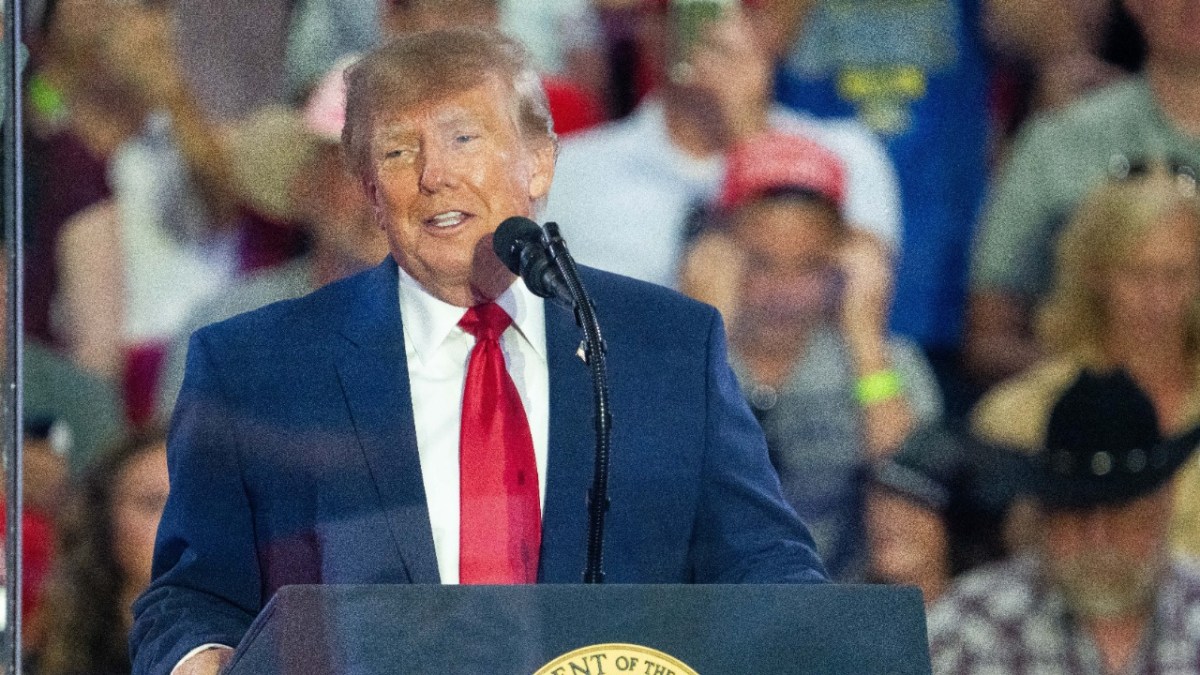

White House lawyers are reviewing whether the president could issue large-scale pardons that would cover junior staffers, according to a recent Washington Sun report. The conversations have grown as outside allies push for steps that would limit legal exposure for lower-level officials who carried out administration policies. When reporters asked Trump about the report on Saturday in Florida, he did not reject the idea.
Trump said he had not previously considered the step, but he described it as unfair for staff to face what he called the “corrupt weaponization” that occurred during the prior four years. Standing near the reporters, he singled out White House Communications Adviser Margo Martin and said he wanted to protect people in similar roles. He told her directly that she would not have to worry about being pulled into a grand jury if she became a target.
“I certainly don’t want to see innocent people go through hell and lose all their money,” Trump said during the exchange, according to Mediaite. He added that presidential pardons rank among the strongest powers a president holds, and he referenced how former President Joe Biden had used them to shield members of Congress and others after a special committee was formed.
White House weighs limited blanket pardons as outside groups urge action
Sources told The Washington Sun that a single pardon covering every junior administration employee remains unlikely. Instead, officials are looking at the possibility of blanket pardons limited to staff who worked on particular issues, including deportations, military matters, or trade policy. Those discussions would reach a wider set of employees than Trump has publicly discussed before. The Wall Street Journal had also previously reported about Trump’s potential mass pardon plan.
The Heritage Foundation and American Moment are among the conservative groups that have contacted White House counsel, according to people familiar with the talks. They have asked officials to either draft possible pardons or arrange funding that could help cover legal costs if junior staffers face criminal cases, congressional inquiries, or civil suits. Mike Davis, who leads the Article III Project, said he intends to press the same point with the administration.
Davis pointed to recent comments by Sen. Elissa Slotkin, a Michigan Democrat, who said congressional investigations should make young Republicans hesitate before taking jobs in the administration during its final two years. After those remarks, Davis told the Sun that Trump “should issue very broad preemptive pardons for anyone who worked for him or in his orbit.” There has also been speculation about whether Trump could pardon himself.
Nick Solheim of American Moment declined to address private discussions but said the president has made clear that people who implement his agenda face personal, professional, and financial risks from Democratic legal efforts.
Trump has spoken before about protecting aides from prolonged legal fights. In a Newsmax interview earlier this month, he said he does not want people who work for him to spend years hiring lawyers “all for nothing” because of what he called lunatics on the left. He has repeatedly compared the situation to Biden’s end-of-term actions, which included preemptive pardons for family members, Anthony Fauci, and retired Gen. Mark Milley. Biden issued more acts of clemency than any previous president.
Legal observers said broad preemptive coverage of administration staff would break from past practice. Liz Oyer, who served as pardon attorney under Biden, told the Sun that “there have never before been blanket preemptive pardons of everyone in the administration.” She added that such a move would effectively place the executive branch outside the reach of the law and would upset the constitutional order in a fundamental way.
Mark Osler, a clemency expert at the University of St. Thomas School of Law, called the idea “a new development in American history” and said the pardon power is intended as a tool for mercy and national reconciliation rather than a battlefield instrument in political disputes.
The Constitution grants the president authority to issue reprieves and pardons for federal offenses, with the exception of impeachment cases. While the Justice Department has historically reviewed candidates before they reach the president, the current administration has changed that process.
Robert Weissman of Public Citizen said an impartial Justice Department would examine possible violations involving money transfers between agencies, campaign use of taxpayer resources, contracting arrangements, and treatment of immigrants, and that officials should expect accountability for any civil or criminal breaches.








Published: Oct 25, 2026 07:00 am