



The Federal Reserve has officially raised interest rates for the first time in three years to tackle the persistent inflation impacting the economy. Unfortunately, it pushes the benchmark overnight interest rate into the 3.75%-4.00% range, a significant departure from the previous hold pattern. According to Reuters, the decision was unanimous, with Fed policymakers signaling that further hikes are likely on the horizon to combat price pressures that show little sign of cooling down.
Per the outlet, the US has seen intense price pressures fueled by a cocktail of global import tariffs, an energy shock stemming from the U.S.-Israeli war with Iran, and massive capital spending from the ongoing artificial intelligence boom. So, even though the Trump administration has been pushing for lower rates, the Fed seems to have decided that the current data left it with no other choice.
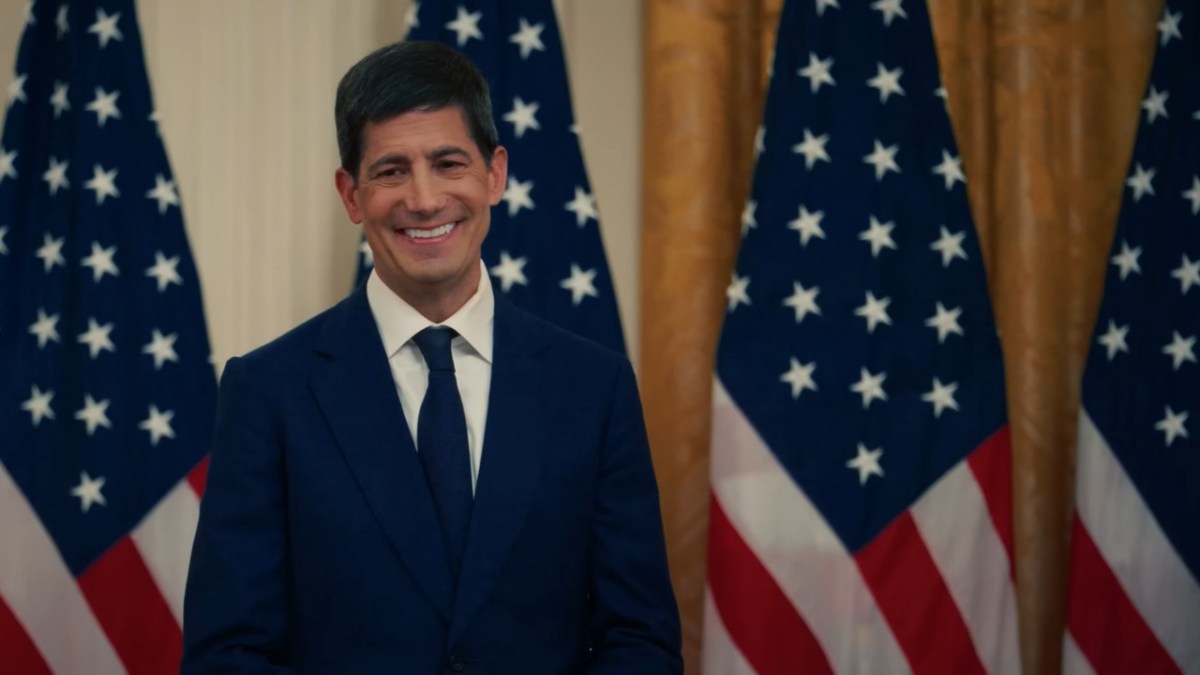
Kevin Warsh, the new Fed chief, described the move during a press conference as “a sober decision, serious decision, responsible decision.” He noted, stating, “The plain fact is that inflation is too high and has been for too long.” The impact of this decision was immediate. The dollar strengthened, and the yields on 2-year U.S. Treasury notes climbed to their highest levels in over two years. President Donald Trump, however, was very upset at the development.
The economic quagmire of 2026
Reuters noted that investors are taking the Fed’s decision seriously. New economic projections released alongside the decision show that 16 of 18 policymakers expect at least one more quarter-percentage-point hike before the end of this year. Only two members of the committee currently see rates staying where they are. This is a clear signal that the central bank is prepared to keep the pressure on until they see actual results.
Despite this, Trump took to his Truth Social platform to vent his frustration, writing, “Interest Rates in the United States should be 1%, or less, because we are the Best Credit in the World — BY FAR.” Reuters noted that he also linked the interest rate hike to the ongoing trade deficit issues, despite economists often noting that these two factors operate in different lanes.
“The word “Deficit” is nothing more than a fancy word for LOSS. We are “carrying” almost every country in the World, and that cannot go on any longer,” he wrote. He ended his post with an all-caps demand: “LOWER THE INTEREST RATES FOR THE UNITED STATES OF AMERICA, AND FAST!”
This is a tricky spot for Kevin Warsh, who was tapped by the President back in January despite opposition. The outlet noted that Warsh took office in June following a Senate confirmation process that was complicated by a federal investigation into his predecessor, Jerome Powell, and scrutiny regarding renovations at the Fed headquarters.
While Warsh initially advocated for holding rates steady earlier this summer, he has clearly pivoted. Per Reuters, he told reporters that his decision to support the hike was an informed decision. “There’s been a pretty wide-ranging set of data, including the labor markets, that the economy has strengthened,” Warsh explained.
He added, “Domestic spending has been resilient, productivity growth strong, and capital investment is robust.” Interestingly, despite the ire, Trump did not blame Warsh for the hike and only had praise for him.
Reuters reported that the Fed also updated its inflation outlook. They now expect inflation, as measured by the Personal Consumption Expenditures Price Index, to hit 3.7% this year, which is higher than their June projection of 3.6%. Even more concerning for the average person is the timeline for recovery.
Per the report, the Fed does not expect inflation to return to its 2% target until 2029, which is a full year later than what they were predicting just a few months ago. With mortgage rates for 30-year fixed loans already approaching 7% and gasoline prices sitting about a third higher than they were a year ago, this is going to be a major topic of conversation as we head toward the midterm elections.
Despite the tension, Warsh seems intent on keeping the Fed’s focus strictly on the numbers rather than the political noise. When asked if he planned to meet with the President to hash out the details of the decision, Reuters noted that he simply said, “I don’t have anything for you on discussions with the president.”
It is a delicate balance to maintain. For now, the Federal Reserve has made its move, and the data suggests we should all buckle up for a period of higher borrowing costs. As Warsh put it, they have “removed a dose of accommodation,” and the data suggests that more tightening is likely in the cards for the coming months.





Published: Sep 18, 2026 12:30 pm