


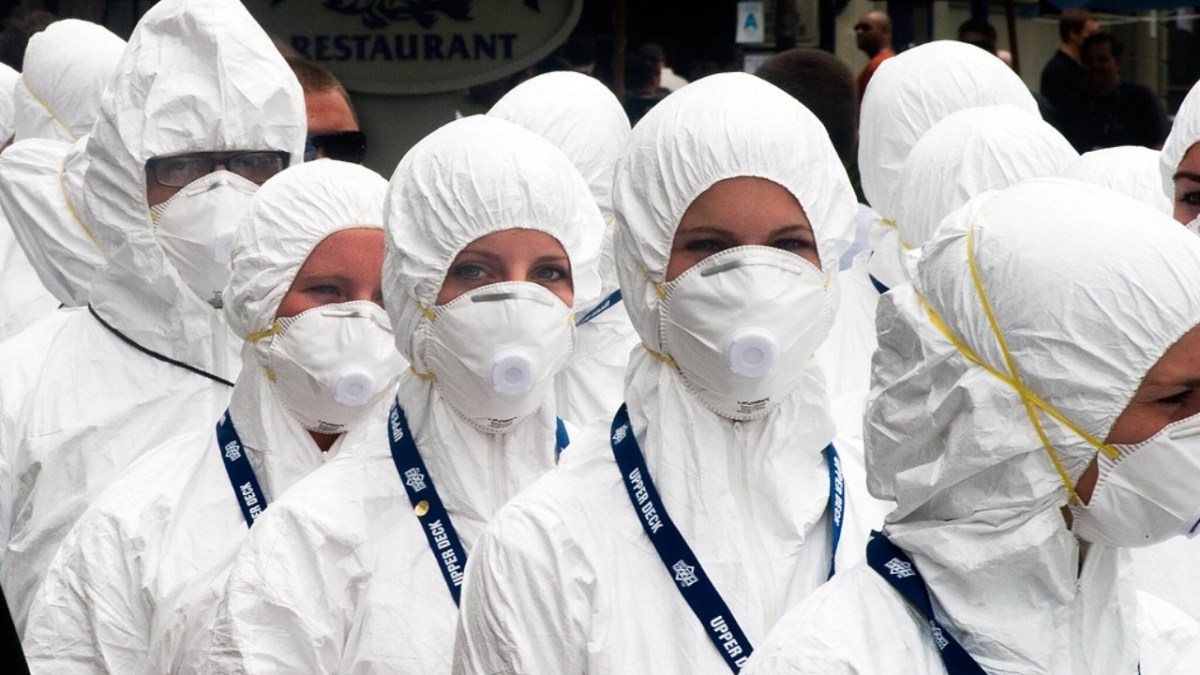

A suspected pneumonic plague outbreak has erupted in Russia, after a 28-year-old lab worker working at Irkutsk Anti-Plague Institute died after being exposed to a live plague bacteria, as per The Moscow Times. She reportedly broke a test tube containing live bacteria while collecting samples for a test, leading to immediate exposure.
She was taken to a hospital in Shelekhov with symptoms of severe pneumonia and was placed on a ventilator, where she succumbed to the infection after a few days. The Putin government did not confirm the cause of the death; however, the country’s consumer welfare service did say that a lab worker died of ‘pneumonia of unknown etiology.’
Following the incident, the Russian health officials traced around 200 people who had been in contact with the researcher, under medical observation. The hospital was also placed under quarantine with an assessment pending from a special commissioner.
The plague may be contagious
As the news spread, many people took to X, fearing that this could lead to another COVID-like pandemic as they remember the unpleasant memories of the lockdown. However, one user, Tomasz Alemao (@TomMarAlem1987) pointed out that there’s nothing to panic about since it is a bacteria, and not a virus.
@bianca_nobilo Don’t panic people, honey. It’s a bacteria, not a virus, and it is treatable.
— Tomasz Alemao (@TomMarAlem1987) October 3, 2026
A pneumonic plague is a “severe form of plague caused by the bacterium Yersinia pestis. Unlike bubonic plague, which mainly affects the lymph nodes, pneumonic plague infects the lungs and can cause serious breathing difficulties,” according to the NDTV Lifeline.
The infection spreads as infected people respire and exhale droplets into the air, which are then inhaled by others. The symptoms may develop quickly and could include high fever and chills, difficulty breathing, chest pain, and headaches, among others. If not treated timely manner, it could have severe complications, therefore, health professionals should not dismiss the symptoms.
Antibiotics are one of the main treatments for bacterial infections and plagues, and the treatment should start as soon as the person suspects that they have contracted a disease. Those who had been in close contact with an infected person should also seek urgent medical attention to check if they, too, caught the disease. Meanwhile, infected persons should try to stay indoors until the plague is treated.
NBC News mentioned that the State Department was closely monitoring the situation along with the Centers for Disease Control and other agencies. “Many details have not been confirmed,” the department added. “We encourage Russian authorities to share accurate information quickly and openly.”









Published: Oct 5, 2026 10:34 am