


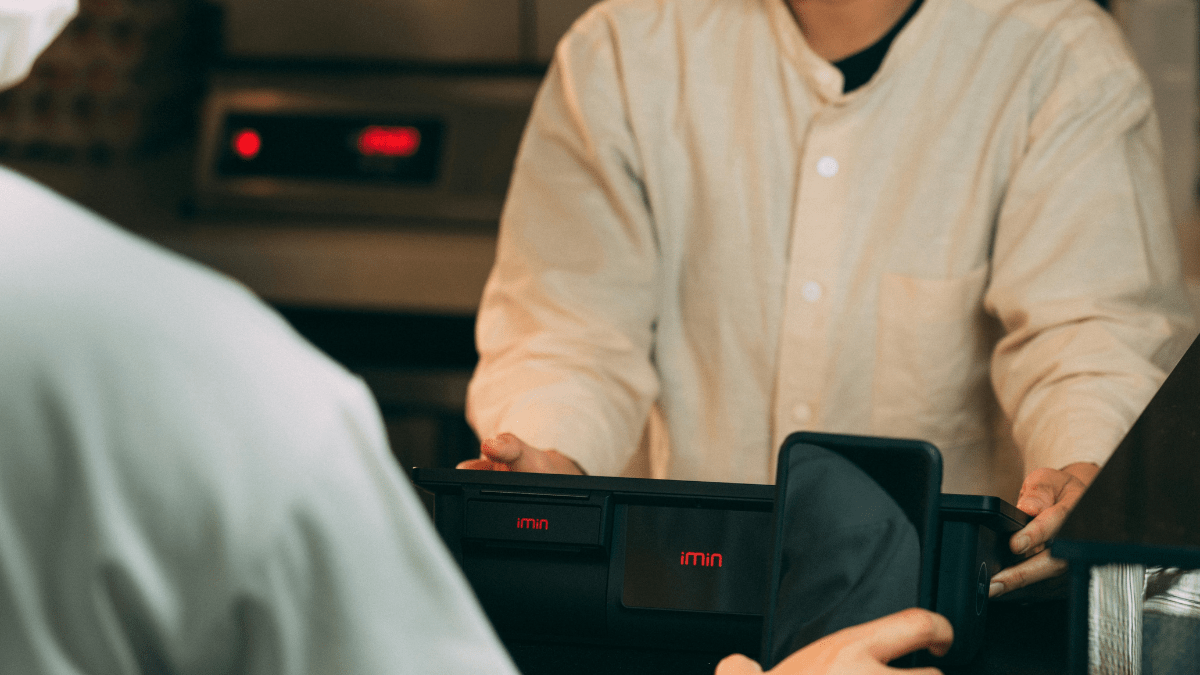

A quiet but physical standard has dominated the American retail landscape for generations: the expectation that each cashier must power through their entire shift while standing. Most shoppers don’t give it even a second thought, but one TikTok user finally pointed out that this might not be necessary — and almost everyone in his comments shared that they thought they were the only ones who had ever questioned it.
The resulting online discourse opened up a sprawling debate regarding workplace ergonomics, labor rights, and, more importantly, whether American corporate culture’s standard of “professionalism” has kept pace with the physical demands placed on its workforce.
The conversation was reignited by a content creator under the TikTok handle @ly.talks, who posted a video openly questioning the logic behind retail checkout regulations.
Aldi is an exception
In the video, which quickly amassed tens of thousands of likes and sparked thousands of comments, the creator expressed genuine bewilderment over why cashiers are systematically denied chairs. He candidly said, “My question is, why aren’t cashiers allowed to sit down when they are working? Why do they have to stand on their two feet the whole time just to scan some items and collect cash?”
However, he added that Aldi has somewhat proved to be an exception to the rule. For years, the German retailer has provided checkout staff with ergonomically designed office chairs.
Thousands of current and former service workers shared their own experiences with physical exhaustion on the job.
For critics of the standing mandate, the primary grievance is a corporate fixation on always looking busy, even when in reality it is just performative. Historically, major American retail executives have maintained that a standing employee looks more alert, attentive, and “professional” to a paying customer.
In the comment section, one user wrote, “They think sitting is ‘unprofessional’ but what really is unprofessional is an employee who is about to collapse from being overworked.”
Another shared their experience and wrote, “I work at a Goodwill and one station is hanging clothes for 7 hours straight. My work recently said, ‘You can’t sit down at all unless you have a note saying you can.’”
Another user, however, was on the side of the corporations and wrote, “You’re gonna buy them the chairs? You think Walmart is gonna spend 69 million to buy chairs for 1 million cashiers? They can stand.”
Labor advocates point out that this standard is uniquely American. It’s not a coincidence that Aldi has different working conditions. Across continental Europe, parts of South America, Asia, and Africa, cashiers are almost universally seated.
In some of those regions, forcing an employee to stand in one spot for eight hours is viewed as an unnecessary health hazard rather than a metric for good service. The idea that sitting down automatically makes an employee less attentive or professional simply isn’t treated as a universal rule.
California is gradually shifting the standards
Similar legal pressure on American corporations to accommodate workers has steadily been mounting over the years. The most significant battleground has been California, where decades-old wage orders state that employers must provide “suitable seats” when the nature of the work reasonably permits it.
The California standard has also provided workers with a legal basis to question workplace policies that require them to stand when their duties could reasonably be performed while seated.
Other employees across America have started looking into enforcing similar standards at their workplaces. What began as a relatively simple question about why cashiers are expected to stand could now become part of a much bigger conversation about what workers should actually be expected to endure during an ordinary shift.








Published: Sep 12, 2026 05:00 pm