



Florida voters are heading to the polls next month to decide the fate of Amendment 3, a ballot measure that could radically reshape the state’s property tax system, CBC reported. If approved, the measure would slash property taxes for primary residents, known as homesteaders, effectively eliminating them for homes valued at $250,000 or less. For those with more expensive homes, the tax burden would still see a significant reduction.
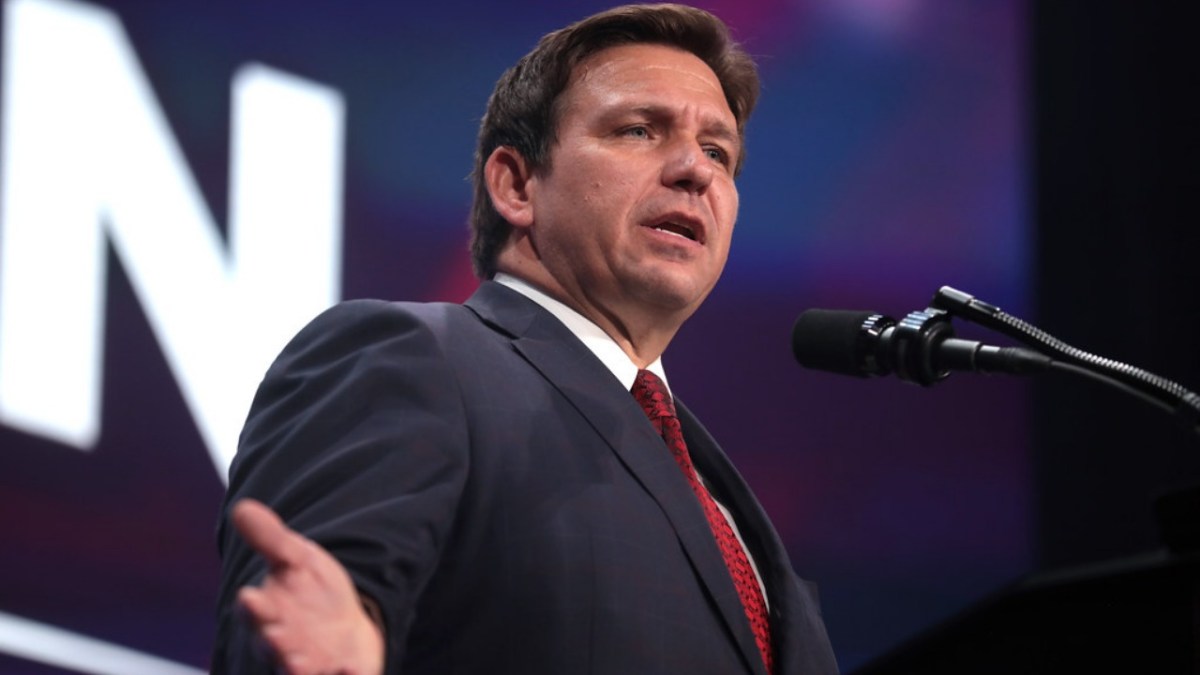
Governor Ron DeSantis has been a vocal proponent of this shift, characterizing the current system as a form of modern-day feudalism. He argues that homeowners shouldn’t have to pay to use their own property. While the plan sounds like a dream for many locals, it comes with a massive $12 billion annual price tag for state and local governments. To plug that hole, the state is looking toward non-resident property owners, specifically Canadians, to pick up the slack.
The math behind this plan involves a two-pronged approach. While homesteaders get a break, the assessed value of non-homesteaded properties, such as those owned by Canadian snowbirds, could climb by up to 5 per cent annually. DeSantis stated, “I want Canadian tourists and Brazilian tourists subsidizing the state and making it so Florida residents pay less taxes.” He also noted that local governments can rely on these non-homesteaded properties to keep their coffers stable without needing to implement new taxes.
This proposal has left many Canadian snowbirds feeling targeted
For folks like Glenn McGill, who has spent 15 years wintering in North Fort Myers, the political climate under President Donald Trump has already soured the experience. McGill described a stampede of Canadians leaving the area, noting that his own retirement community has seen a massive drop in Canadian residents. He has even listed his home for sale, frustrated by the prospect of being tapped for extra revenue. “They’re a greedy bunch of SOBs,” McGill said. “They want to drive Canadians out.”
The tension isn’t just about money. Many Canadians report feeling alienated by the current political environment, citing frequent, disrespectful remarks about their home country. Jo-Ann Rowe, who previously enjoyed her time in Fort Lauderdale, decided to relocate to Mexico after growing tired of friends making jokes about Canada being the 51st state. Lilly White, another long-time visitor, shared a similar sentiment, noting that while she still has love for the U.S., she no longer feels comfortable. “I don’t like rabbit holes,” she said.
The economic impact of this cooling relationship is already visible. Data shows that Canadian tourism dropped by 20 per cent during the prime winter season this year. With Canadians representing over 70 per cent of international demand in areas like Cape Coral, the local housing market is feeling the pressure. Realtor.com indicates that properties in these regions are sitting on the market for weeks longer than the national average.
Critics of Amendment 3, including Edie Ousley, a spokesperson for the Vote No on 3 campaign, warn that the plan is a recipe for disaster. She called the measure a “train wreck” for both Floridians and winter visitors, predicting that it will trigger an exodus of Canadian owners.
Ousley also cautioned that the projected loss in revenue could force deep cuts to essential services, including law enforcement and 911 response times. If the measure clears the 60 per cent supermajority required for passage, the state will be heading into uncharted financial territory.


Published: Oct 4, 2026 03:18 pm